By DeAnna Pursai
•
December 31, 2025
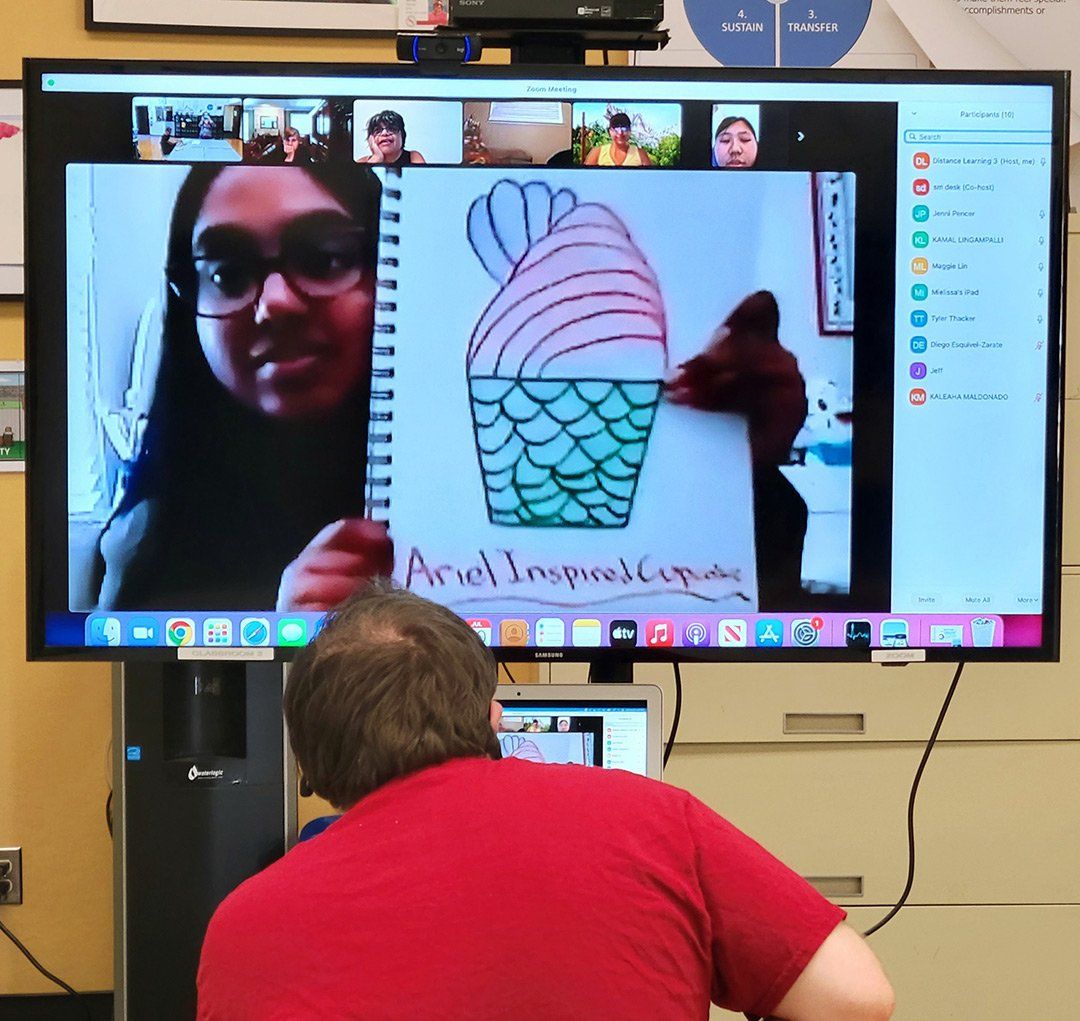
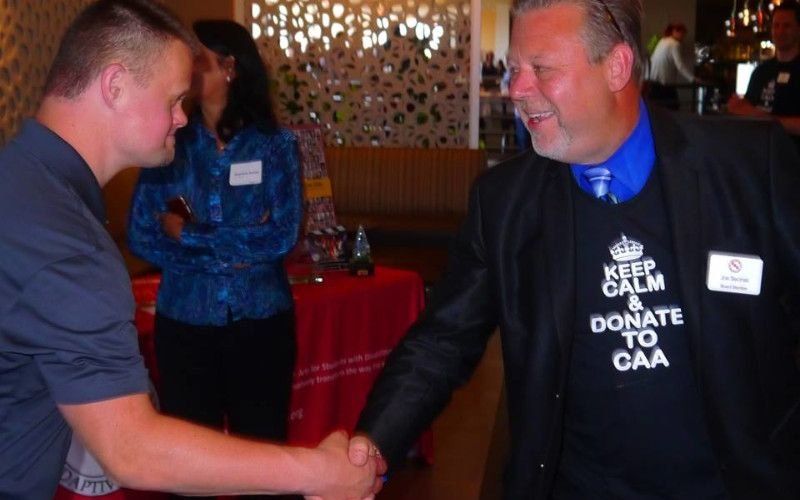
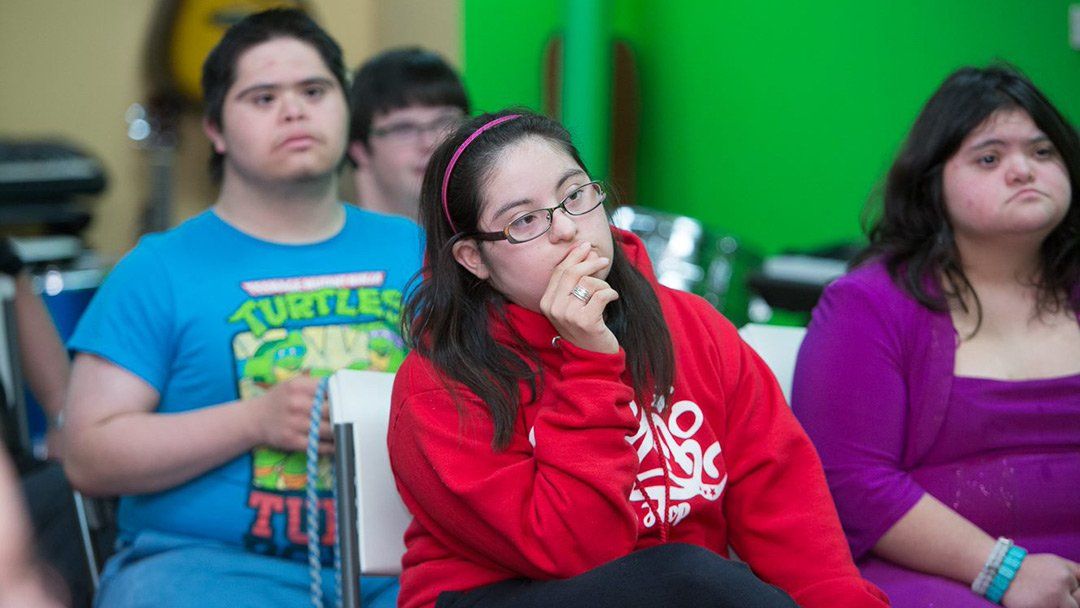
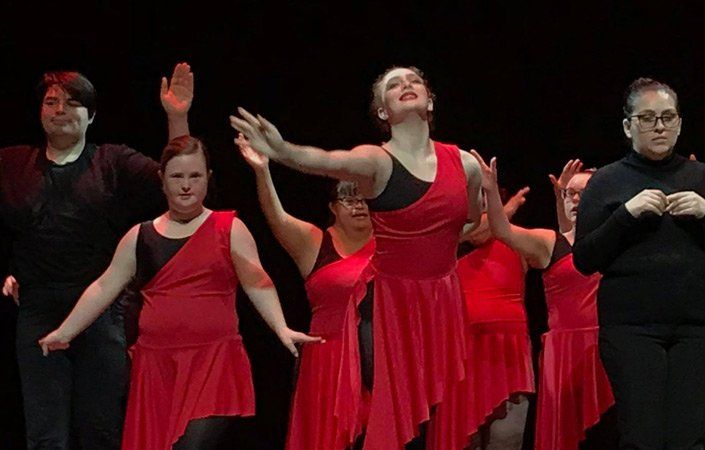
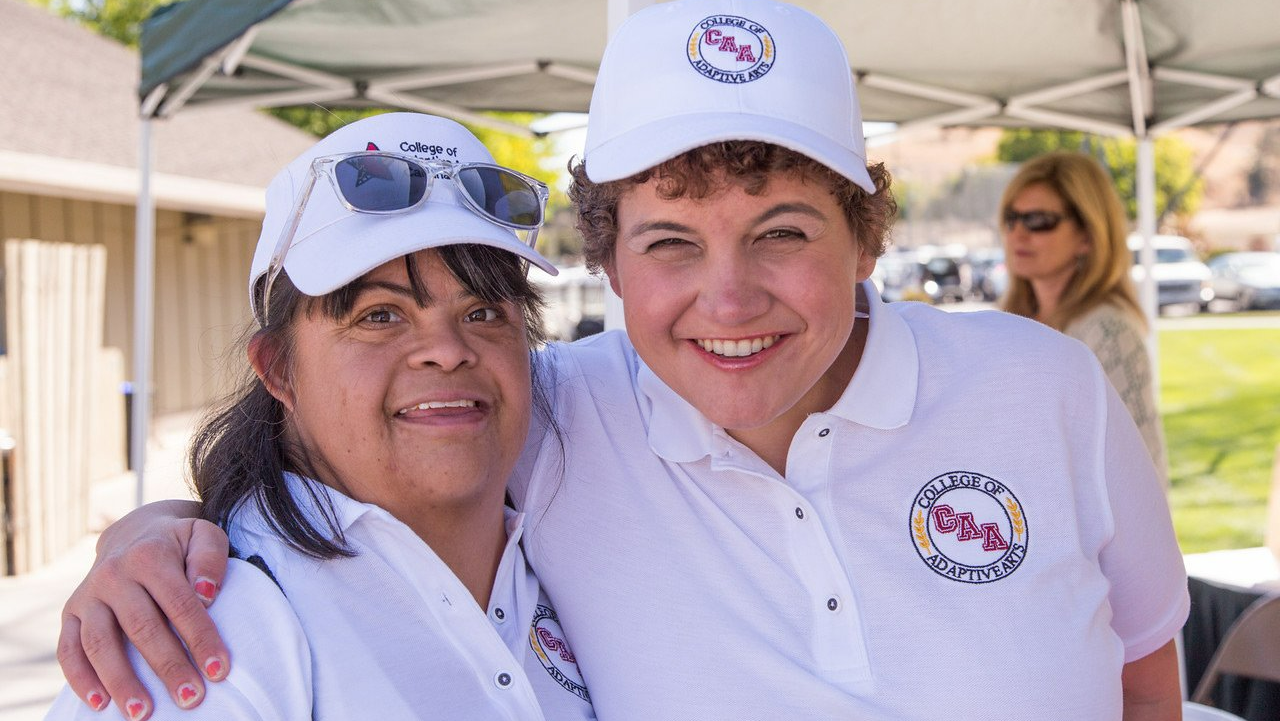
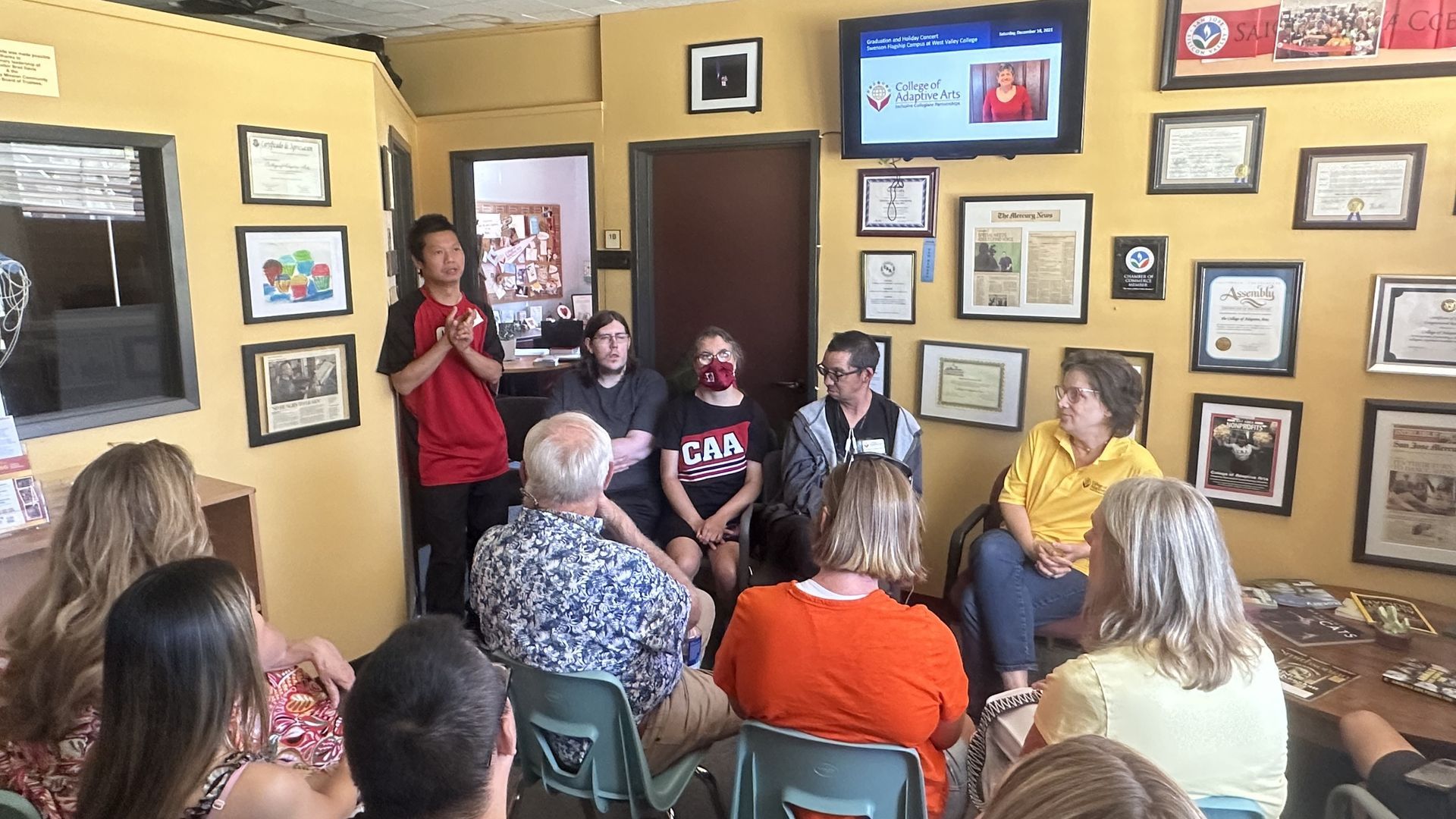
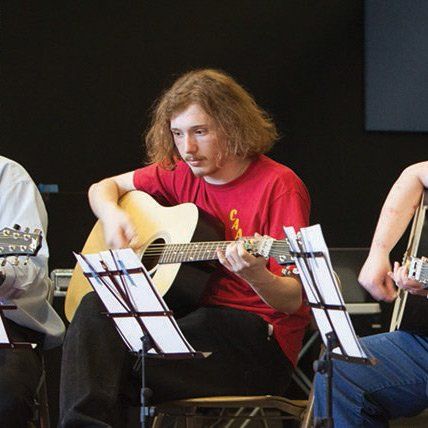
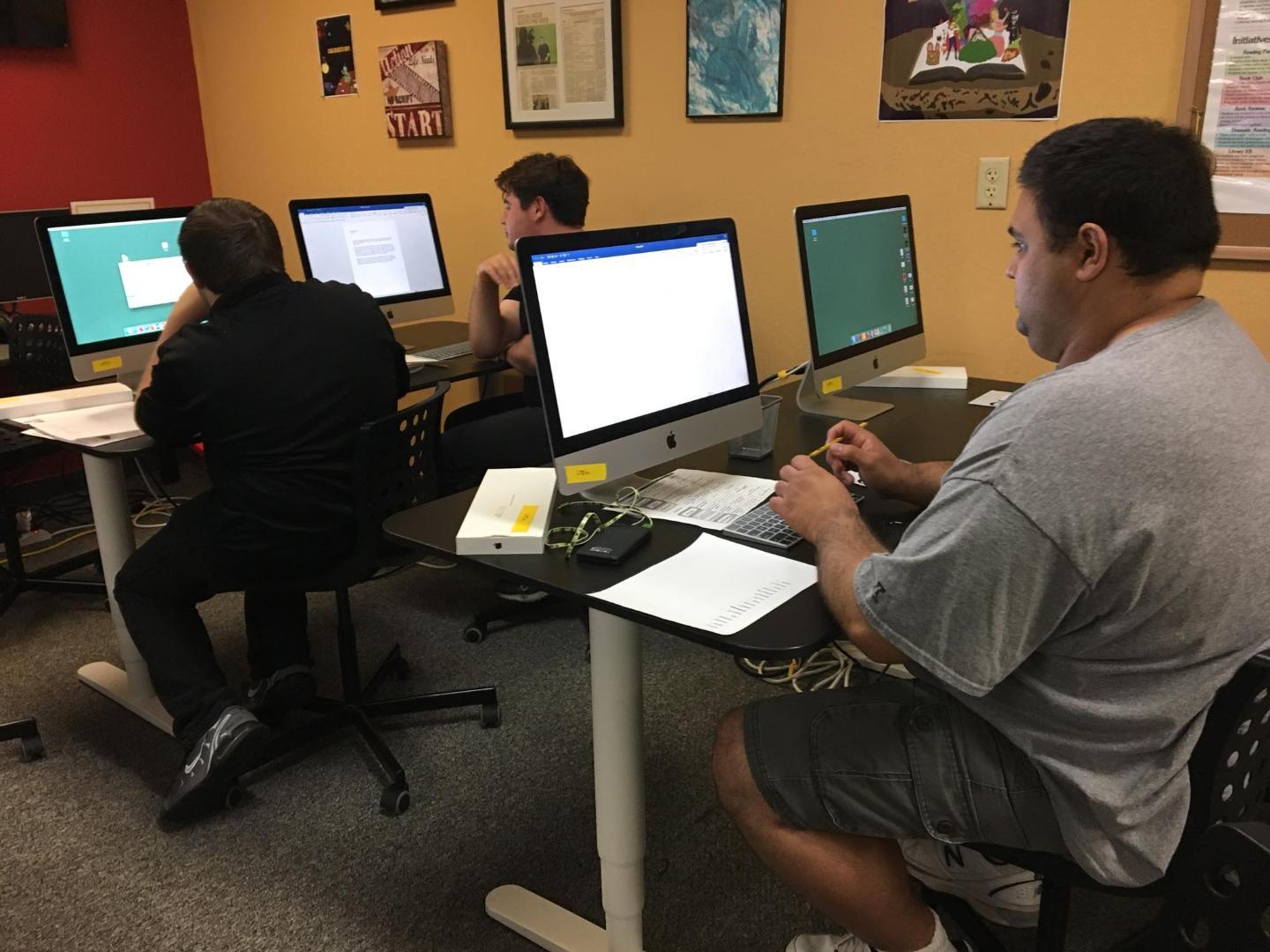
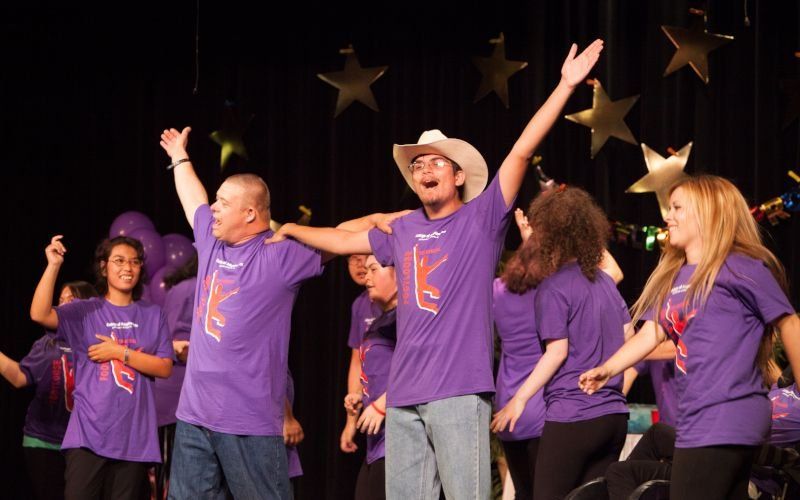
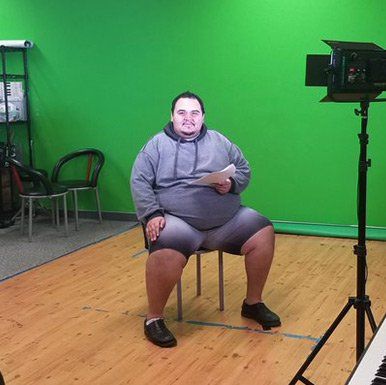
2025 has been a pivotal, transformational year for @College of Adaptive Arts (CAA). The conversations we’re having across the community continue to affirm that we are on the right track in advancing an expanded, adaptive higher education model—one we believe can scale nationwide and beyond. We hear it constantly: “Wouldn’t it be nice to have this model in my community? ” If we had a dollar for every time someone said that, we’d be much further along in realizing our vision of lifelong learning for all. CAA fills a critical gap in access to authentic, lifelong learning opportunities for adults with intellectual and developmental disabilities (IDD). Across the country, momentum is growing for inclusive collegiate partnerships and postsecondary programs. These efforts are phenomenal and exciting—but many are limited to a traditional four-year, post–high school timeframe, often ending around age 22. For adults with IDD, disability accommodations at typical colleges and universities (such as extended time, test readers, note takers, or separate testing spaces) may not be sufficient or appropriate. When those supports don’t meet their needs, educational options become narrow and limited. That’s the gap CAA is designed to bridge. CAA is a lifelong learning model. Credits are earned through exposure to instructional concepts. Undergraduate and graduate diplomas are awarded based on hours of participation. After receiving a diploma, students are welcomed and encouraged to re-enroll and continue learning at their own pace, for as long as they wish. Some students take just one class that sparks their curiosity; others enroll in multiple courses. Some explore a subject for a semester or two, then pivot to a different area. Many students value our online-only option due to medical complexities or limited transportation, while others prefer in-person learning. This flexibility is a key reason we envision this model embedded on college campuses nationwide. Our graduate students can enroll in our workforce development program, which offers adults with IDD paid apprenticeship positions where they can gain meaningful, practical workforce skills. We see CAA as a flexible, scalable model of lifelong learning that communities across the country can adopt—much like the way Special Olympics has transformed access and inclusion in athletics, CAA aims to do so in higher education. To measure impact, we focus on improvements in: Quality of Life Hope Confidence Connections & Friendships Pathways to Contribution These indicators remain consistently high—not only for CAA students, but also for faculty, staff, parents, and care providers. This adaptive, lifelong learning model benefits: Adults with IDD who are eager and hungry to learn. Adults seeking meaningful, part-time or gig-based employment in a dynamic, supportive environment. Parents and care providers—one parent shared, “I can finally sleep at night.” Communities, which begin to see adults with disabilities in a new light, recognizing their talents, skills, and contributions. We are deeply grateful to the many community partners who have leaned in this past year to share their resources, insights, and wisdom, including: @Greenbrier, @SASCC, @StateSenatorCortese, @JoeSimitian, @PamFoley, @Visa, @GoldenStateWarriors, @CDSA, @Arm, Inc., @SaratogaSprings, @BlueOakNx, @WestValleyCollege, @LaneyCollege, @Profound, @BlindInstituteofTechnology, @Hiline, @ImpactPro, @MissionCollege, @SamLiccardo, @OpenAIPeopleFirst, @TEDxViikki, @CynthiaGregory, @AssociationofHigherEducationandDisability, @AmericanAssociationforIntellectualandDevelopmentalDisability, @Brainshare, @OnlineAssistantPro, @SanAndreasRegionalCenter, @CADepartmentofDevelopmentalServices, @CaliforniaAssociationofPostsecondaryEducationandDisability, @ForbesNonprofitCouncil, @SheriJayCoaching, and @HummingbirdStudio. The groundswell of support for this lifelong higher learning model is palpable. Onwards and upwards for eager and hungry lifelong learners.