Students with Intellectual Disabilities Shine in New Leadership Opportunities

Michael Reisman • March 25, 2024

College of Adaptive Arts Showcases Several Student Standouts in Honor of National Disability Awareness Month
(Saratoga, Calif., March 3, 2024) The month of March marks National Developmental Disability Awareness Month, and several students at one Bay Area college are proving that their abilities extend way beyond just the classroom.


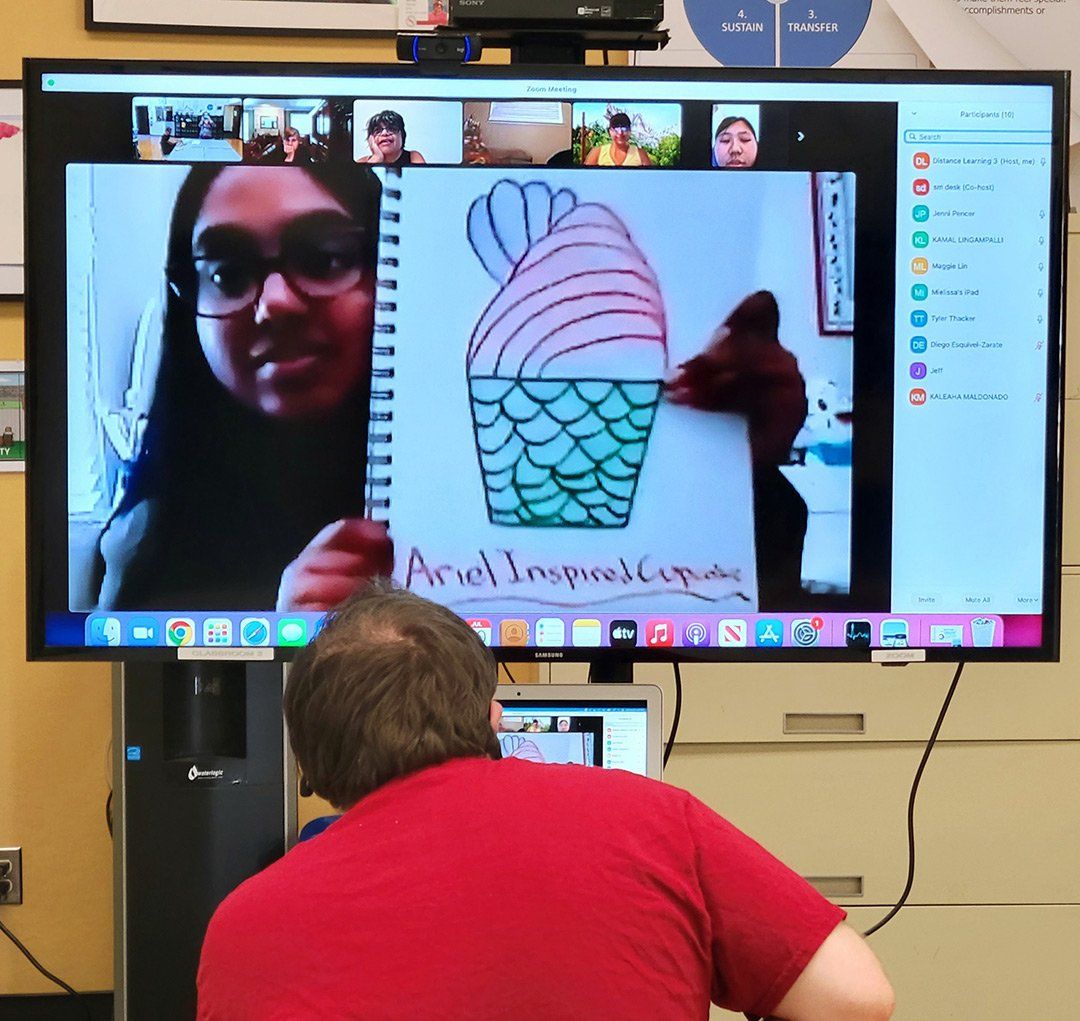
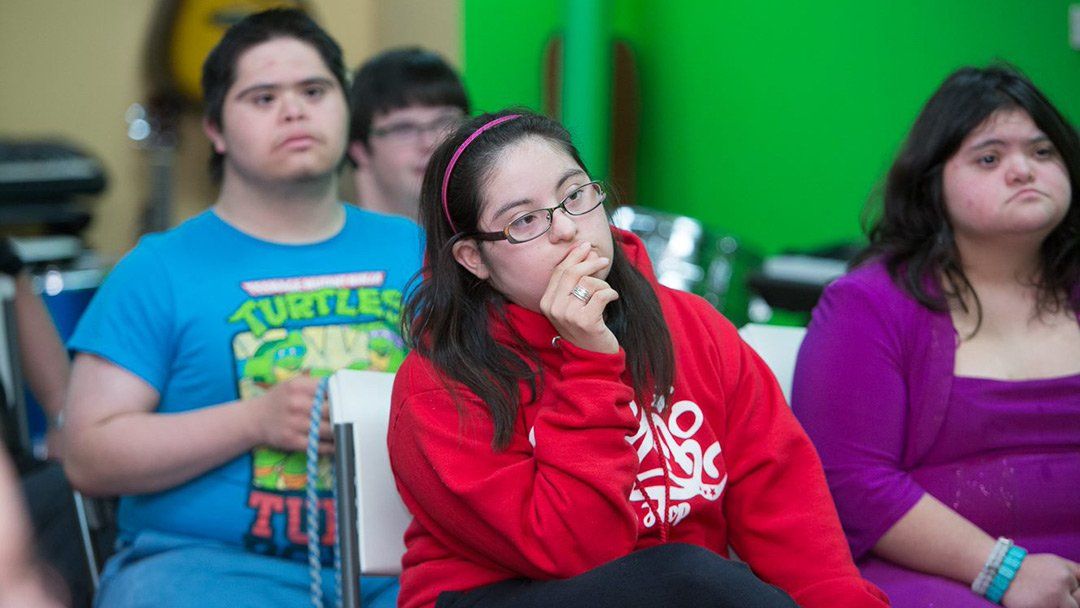
The College of Adaptive Arts, a non-profit providing a lifelong collegiate education to adults with intellectual and developmental disabilities (I/DD), serves 230 students in person and online, many of whom have been diagnosed with I/DD.


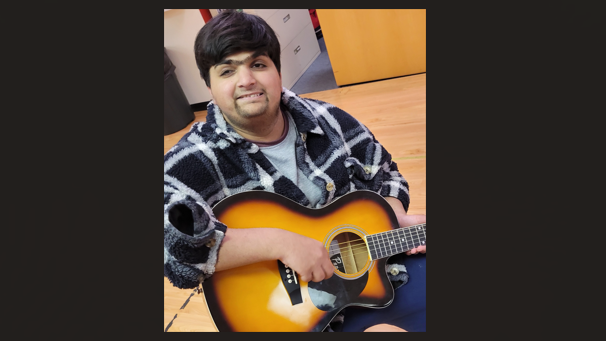
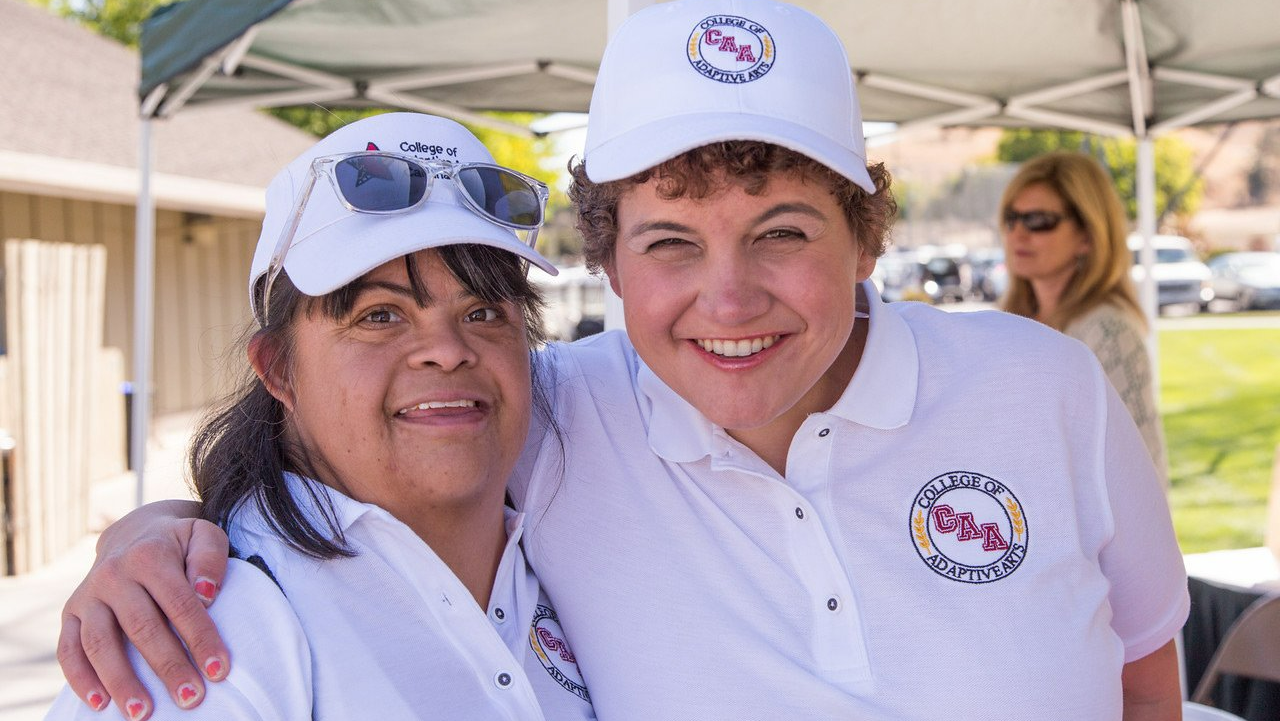
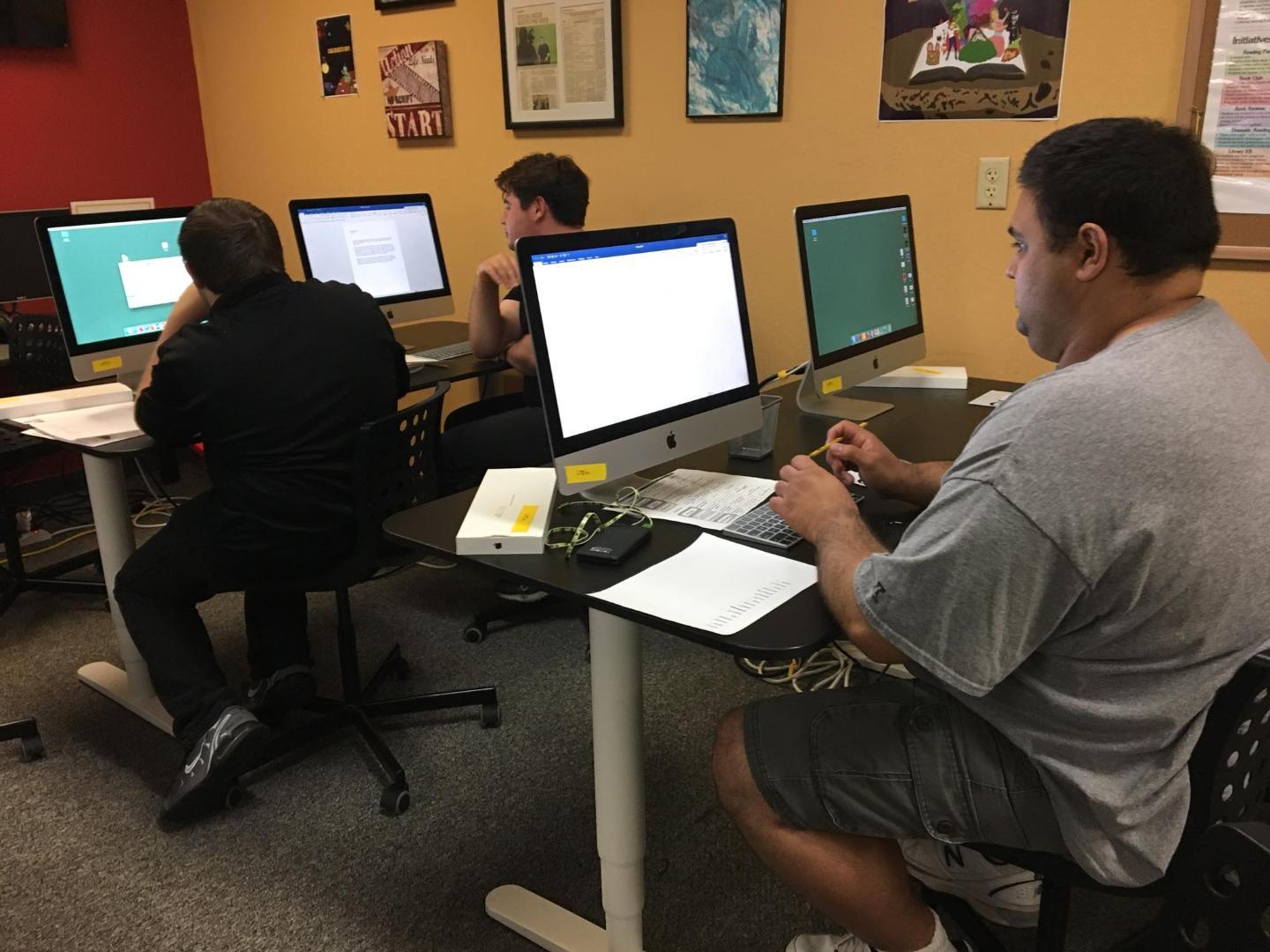
The school has recently introduced a new workforce development program which trains its students into paid apprenticeship positions, including receptionist and teacher’s aide. Two of those apprentices, Victoria Rivera and Sam Headley, both say this is giving them new opportunities which they never had before.


“Working gives me a sense of duty and responsibility,” said Sam. “I hope to continue to grow and maybe teach at the college someday.”


Sam has been a student at CAA since 2020 previously worked as a bagger at Lucky’s. While he enjoyed his job there, he said it was more focused on what his body could do as opposed to his mind.


Although he’s a self-described introvert, he still got up in front of a packed house to give the Pledge of Allegiance at Santa Clara County Supervisor Susan Ellenberg’s last State of the County Address.


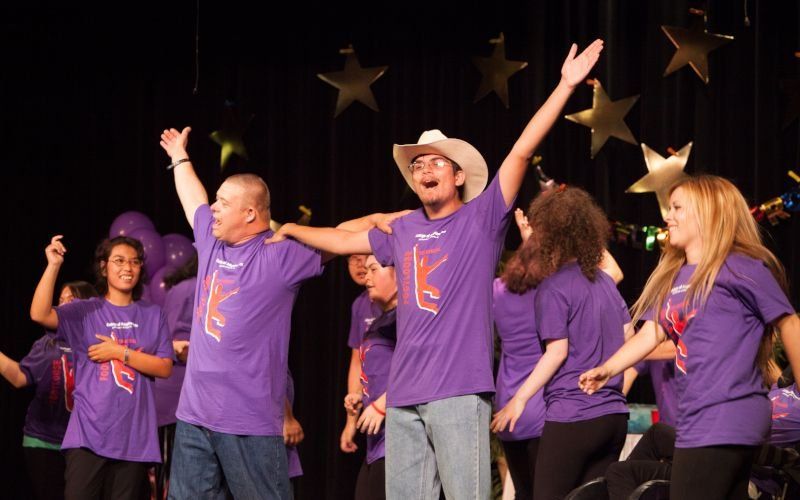
And it’s not just the apprentices who have been given incredible new leadership opportunities. Student Michael Oduma is has a dream to become a sports announcer one day and because of CAA’s unique partnership with West Valley College, he was able to make this dream a reality by co-announcing a basketball game for the college. Oduma is known as the “Mayor of CAA”, is their official tour guide and was also an emcee for a CAA press conference with Senator Dave Cortese (D-San Jose).


“I like being a leader and getting to use my voice,” said Oduma.


Brighid Kohl is another student who showed incredible initiative and campaigned for a You Are Not Alone (YANA) club to be created at her school. Even though her disability sometimes can affect her speech, that didn’t stop Brighid from learning how to create a PowerPoint plan, presenting it to the school, and eventually gaining national recognition from influencer and popular YouTuber Jessii Vee.


“All our students are challenging the traditional perception of ability,” said DeAnna Pursai, co-founder and Executive Director of College of Adaptive Arts. “So often adults with disabilities are overlooked and not seen as the thoughtful, intelligent, capable, beings that they are.”


In all 50 states, adults with disabilities are mandated out of post secondary education at 21 or 22, but CAA hopes to change that by offering a program of lifelong learning which doesn’t impose age limits or restrictions on students. In fact, the school actually encourages students to re-enroll even after they have graduated.


According to the CDC, 6.5 million people in the United States have intellectual or developmental disabilities. CAA’s goal is to reach any adult within that population who wants to pursue higher education. Their mission is to be able to expand their collegiate model, replicating it on every campus of higher learning across the country, and eventually, the world.


ABOUT THE COLLEGE OF ADAPTIVE ARTS:
College of Adaptive Arts is a 501 (c) 3 non-profit organization dedicated to providing a lifelong, equitable collegiate experience to adults with special needs who historically have not had access to college education. The vision of CAA is to empower adults with special needs to creatively transform perception of disability. This is an institution of higher education where adults have opportunities to learn from a diverse and rich curriculum that will enable them to live a full and empowered life as successful, contributing members of the community.

For more information, or to volunteer and/or donate visit https://www.collegeofadaptivearts.org/

By DeAnna Pursai January 19, 2026
On this auspicious day celebrating the life of Dr. Martin Luther King, Jr., College of Adaptive Arts strives each day to live the legacy inspired by Dr. King. College of Adaptive Arts embraces the spirit of Dr. King by providing a lifelong collegiate model to adults who historically haven't had access to higher education. It's based on the premise that everyone has value to learn, connect, and contribute. What's truly refreshing about this lifelong learning model is the power of teamwork, inclusivity, and support for one another. Many of our staff have declared disabilities. They work tirelessly to support each other, back each other up, set their teammates up for optimal success. The students are off all ethnicities, backgrounds, disabilities, and ages over 18 when the college stage begins. Their support and goodwill for each other is a true shining light for us all to embrace. They know when each other is hurting, and they go out of their way to support and be a helping hand. They liberally give compliments in class on the thoughts and ideas each other present. They work alongside each other and hold space for each other to be who they are. These are most complex times we are living through. The College of Adaptive Arts model is truly a shining light on the best of humanity and human dignity and goodwill. We invite you to experience this vibrant lifelong learning model through a student-led tour each Friday CAA classes are in session, 1pm PST online virtual and 2:30pm PST in-person on the beautiful campus of West Valley College in Saratoga, CA: https://www.collegeofadaptivearts.org/tour-landing-page
By DeAnna Pursai December 31, 2025
2025 has been a pivotal, transformational year for @College of Adaptive Arts (CAA). The conversations we’re having across the community continue to affirm that we are on the right track in advancing an expanded, adaptive higher education model—one we believe can scale nationwide and beyond. We hear it constantly: “Wouldn’t it be nice to have this model in my community? ” If we had a dollar for every time someone said that, we’d be much further along in realizing our vision of lifelong learning for all. CAA fills a critical gap in access to authentic, lifelong learning opportunities for adults with intellectual and developmental disabilities (IDD). Across the country, momentum is growing for inclusive collegiate partnerships and postsecondary programs. These efforts are phenomenal and exciting—but many are limited to a traditional four-year, post–high school timeframe, often ending around age 22. For adults with IDD, disability accommodations at typical colleges and universities (such as extended time, test readers, note takers, or separate testing spaces) may not be sufficient or appropriate. When those supports don’t meet their needs, educational options become narrow and limited. That’s the gap CAA is designed to bridge. CAA is a lifelong learning model. Credits are earned through exposure to instructional concepts. Undergraduate and graduate diplomas are awarded based on hours of participation. After receiving a diploma, students are welcomed and encouraged to re-enroll and continue learning at their own pace, for as long as they wish. Some students take just one class that sparks their curiosity; others enroll in multiple courses. Some explore a subject for a semester or two, then pivot to a different area. Many students value our online-only option due to medical complexities or limited transportation, while others prefer in-person learning. This flexibility is a key reason we envision this model embedded on college campuses nationwide. Our graduate students can enroll in our workforce development program, which offers adults with IDD paid apprenticeship positions where they can gain meaningful, practical workforce skills. We see CAA as a flexible, scalable model of lifelong learning that communities across the country can adopt—much like the way Special Olympics has transformed access and inclusion in athletics, CAA aims to do so in higher education. To measure impact, we focus on improvements in: Quality of Life Hope Confidence Connections & Friendships Pathways to Contribution These indicators remain consistently high—not only for CAA students, but also for faculty, staff, parents, and care providers. This adaptive, lifelong learning model benefits: Adults with IDD who are eager and hungry to learn. Adults seeking meaningful, part-time or gig-based employment in a dynamic, supportive environment. Parents and care providers—one parent shared, “I can finally sleep at night.” Communities, which begin to see adults with disabilities in a new light, recognizing their talents, skills, and contributions. We are deeply grateful to the many community partners who have leaned in this past year to share their resources, insights, and wisdom, including: @Greenbrier, @SASCC, @StateSenatorCortese, @JoeSimitian, @PamFoley, @Visa, @GoldenStateWarriors, @CDSA, @Arm, Inc., @SaratogaSprings, @BlueOakNx, @WestValleyCollege, @LaneyCollege, @Profound, @BlindInstituteofTechnology, @Hiline, @ImpactPro, @MissionCollege, @SamLiccardo, @OpenAIPeopleFirst, @TEDxViikki, @CynthiaGregory, @AssociationofHigherEducationandDisability, @AmericanAssociationforIntellectualandDevelopmentalDisability, @Brainshare, @OnlineAssistantPro, @SanAndreasRegionalCenter, @CADepartmentofDevelopmentalServices, @CaliforniaAssociationofPostsecondaryEducationandDisability, @ForbesNonprofitCouncil, @SheriJayCoaching, and @HummingbirdStudio. The groundswell of support for this lifelong higher learning model is palpable. Onwards and upwards for eager and hungry lifelong learners.
By Michael Reisman September 24, 2025
State Senator Dave Cortese shares his support & rationale for supporting this lifelong, adaptive equitable education model for workforce development & scaling and replication.

Subscribe to our mailing list

Are you a current family looking for Weekly Updates? Sign into the student portal or subscribe to our weekly email list.
Subscribe

Share