Where the System Ends, CAA Begins. We Built the College We Couldn't Find. CAA Story #2: Dr. Pamela Lindsay

DeAnna Pursai • March 2, 2026

The Ties That Bind

Those in our community are often asked about their “story” of a child’s diagnosis of a disability, the re-calibration that follows, and the impacts on family life. How do we begin to piece it together when every family member could write their own book, which is indeed their own story to tell? My own approach is to share plot points where our family has pulled together instead of apart, and where we have created the strong kinds of ties that bind. Through our shared experiences we’ve developed a lasting love for flying our own flags and finding success on our own terms. 


One such plot point occurred when my daughter was diagnosed with Asperger’s syndrome at age nine. We were led to a school program offering unique curricula for learners with special learning needs; this was a revelation after years of IEPs trying to adapt square peg learning to round holes of school credit requirements. Related challenges whittled away at the edges of her love of learning and extinguished her light when both were crucial to her success. Permission to identify personal goals and build learning tools and activities around them made good sense and a massive difference. As anxiety levels came down, so did the walls to concept learning previously blocking forward academic momentum. 
This freedom of exploration on her terms and leverage of the arts-which she loved-provided keys that unlocked the rest of her lifelong learning journey. Today she is the proud holder of an associate of arts degree from Columbia College and is preparing to publish her first in a series of children’s books. 


I discovered the same academic approaches transferred to special needs curriculum consulting with other families, completion of my master’s thesis, instruction of students at San Jose State, and (with the light and love of learning still intact) to completion of an individualized doctoral program. And can you guess the full-circle outcome? You’re right! Research and development in the arts, higher education, and the kind of next-step college conservatory program I’d visualized all those years ago while praying my high school daughter would continue to find her perfect fit. A place where adults of all learning needs can experience joy-filled academic development on their own terms, at their own pace, with their own goals in mind. All while increasing their love of learning and turning up the wattage on their beautiful inner spotlights that illuminate the next steps toward their personal goals and dreams. 


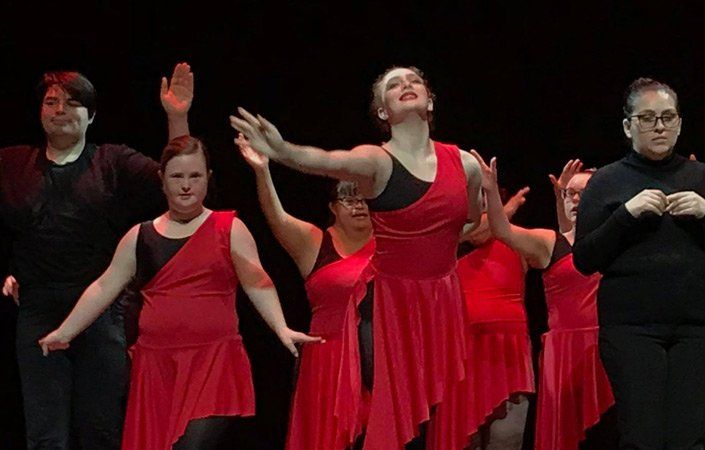
Along the way, our family forged a shared and fierce commitment to unique life and learning journeys. We’ve discovered it creates those strong ties that continually bind us through thick and thin. Since many lights shine brighter than one, we can mutually illuminate and support each other’s individual paths, dreams, experiences, and continued learning in many forms toward achieving and celebrating personal goals on our own terms. This has directly and joyously transferred to a motto for our CAA family as well, proclaiming “When Cardinals support each other, everybody flies!”
By DeAnna Pursai February 23, 2026
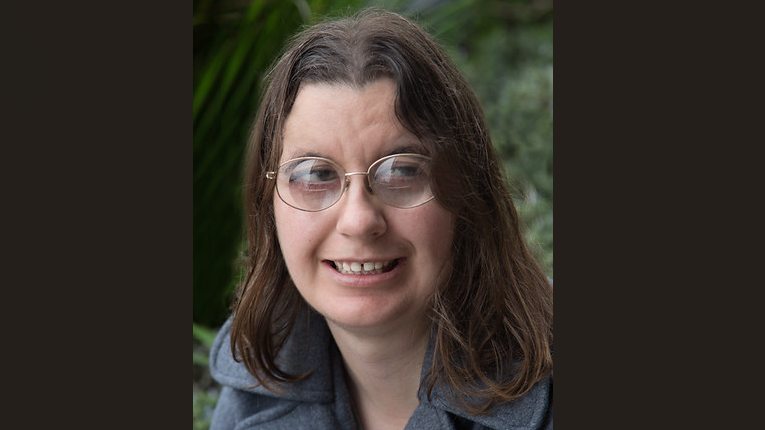
College of Adaptive Arts is beginning a new weekly blog series featuring a story of a CAA student, professor, or parent/care provider each week. We hope you enjoy and can resonate with these stories. If you could comment and share with your networks to amplify this model, we'd be deeply obliged to you: Angel Ellenberger, sister to CAA Co-Founder DeAnna Ellenberger Pursai, grew up in Bluffton, Indiana alongside DeAnna in the 70's and 80's. It was a glorious childhood, full of love, joy, laughter, and sisterhood bonding. Angel was always quite social, and she was a hit wherever she went with the cheerleaders and the community. DeAnna came home from college one summer when Angel was in a postsecondary program (mandatory 18-22 extended years for students in the special education system). At the time, Angel was actively working with a job coach cleaning the desks at the local high school. DeAnna thought to herself, "Cool! That’s what happens to adults when the special ed students leave the school system." About one year to the date, DeAnna came back home to find Angel more than doubled her size and eating a bag of chips on the couch. She asked what had happened, and their mom said that the funding was cut for the job coach program and that Angel didn’t want to attend the one adult day program shared across their 2 rural counties – the only feeder option once you left the special education system. Angel did indeed end up going to the day program after she gained so much weight that she had congestive heart failure in 2000 and almost passed away. Needless to say, it’s been an arduous and tenuous endeavor. Angel is intelligent, perceptive, social, artistic, creative, and comedic. She needed a support system with more opportunities to socialize, learn, engage beyond coloring in local dime store coloring books for hours. That critical gap that Angel experienced sparked the seed of change, and together with her partner and friend Dr. Pamela Lindsay, College of Adaptive Arts was born. DeAnna and Dr. Pam built the college model they couldn’t find and so many around the world also could not find. To those people searching, CAA's message is, "We hear you, we see you, and we’re coming." CAA will not stop until it has garnered the support, awareness, and public and private levers to scale this lifelong collegiate model worldwide to become as widespread, welcoming, and accessible in the education space that Special Olympics provides so robustly in the sports and athletics space. CAA's revolutionary model is proving everyday that inclusive education is not charity; it is sustainable, transformative and a lifelong right.
By DeAnna Pursai January 19, 2026
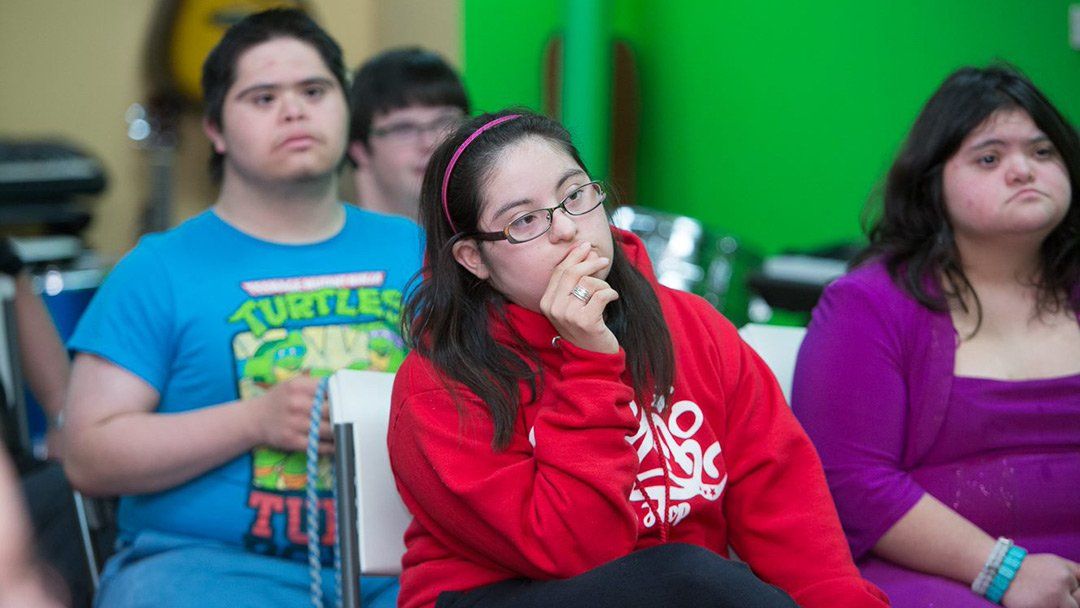
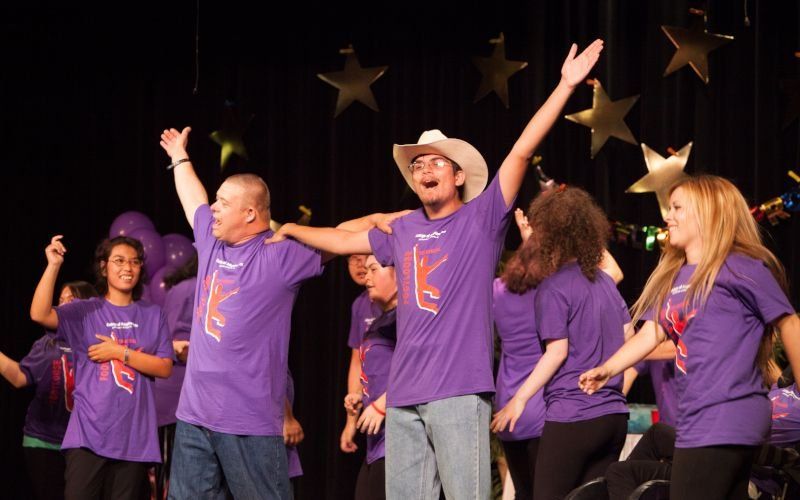
On this auspicious day celebrating the life of Dr. Martin Luther King, Jr., College of Adaptive Arts strives each day to live the legacy inspired by Dr. King. College of Adaptive Arts embraces the spirit of Dr. King by providing a lifelong collegiate model to adults who historically haven't had access to higher education. It's based on the premise that everyone has value to learn, connect, and contribute. What's truly refreshing about this lifelong learning model is the power of teamwork, inclusivity, and support for one another. Many of our staff have declared disabilities. They work tirelessly to support each other, back each other up, set their teammates up for optimal success. The students are off all ethnicities, backgrounds, disabilities, and ages over 18 when the college stage begins. Their support and goodwill for each other is a true shining light for us all to embrace. They know when each other is hurting, and they go out of their way to support and be a helping hand. They liberally give compliments in class on the thoughts and ideas each other present. They work alongside each other and hold space for each other to be who they are. These are most complex times we are living through. The College of Adaptive Arts model is truly a shining light on the best of humanity and human dignity and goodwill. We invite you to experience this vibrant lifelong learning model through a student-led tour each Friday CAA classes are in session, 1pm PST online virtual and 2:30pm PST in-person on the beautiful campus of West Valley College in Saratoga, CA: https://www.collegeofadaptivearts.org/tour-landing-page
By DeAnna Pursai December 31, 2025
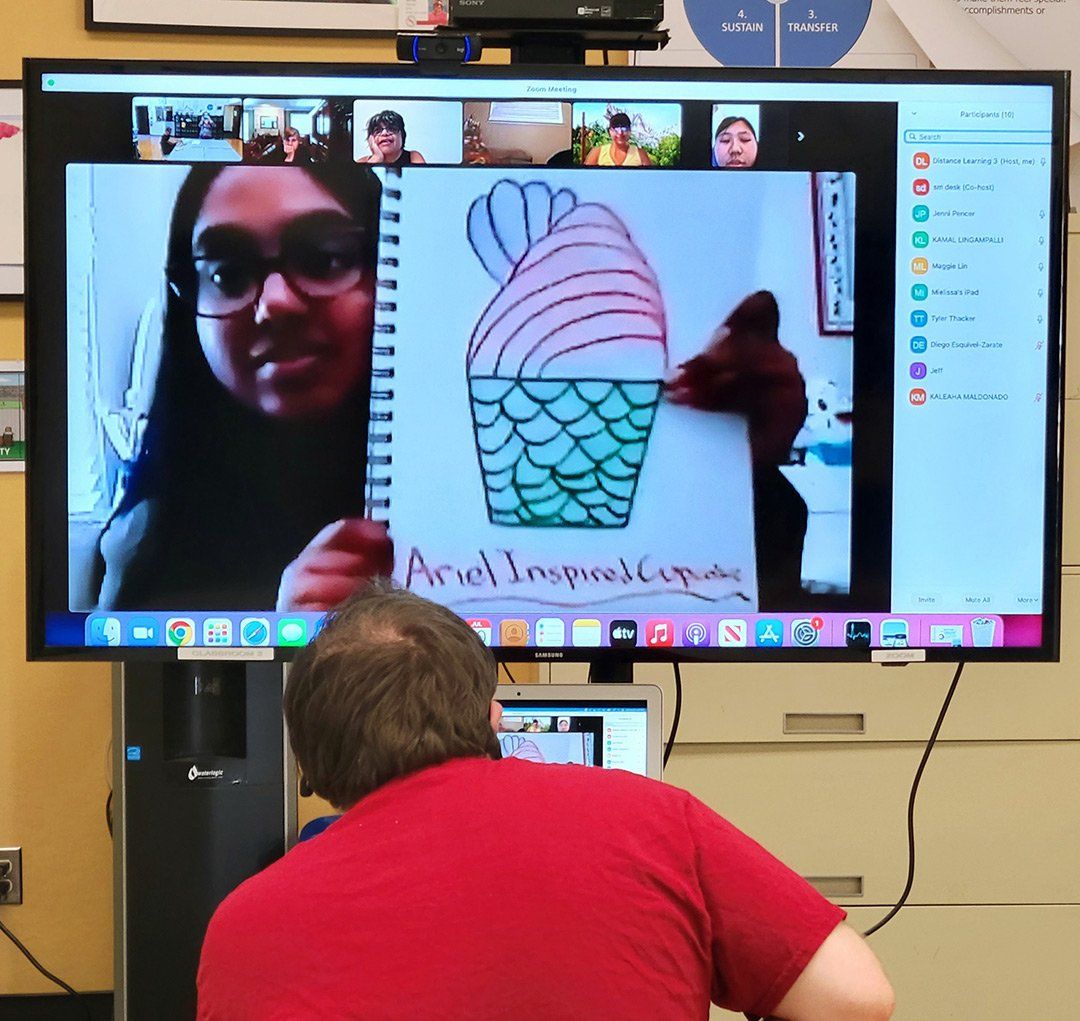
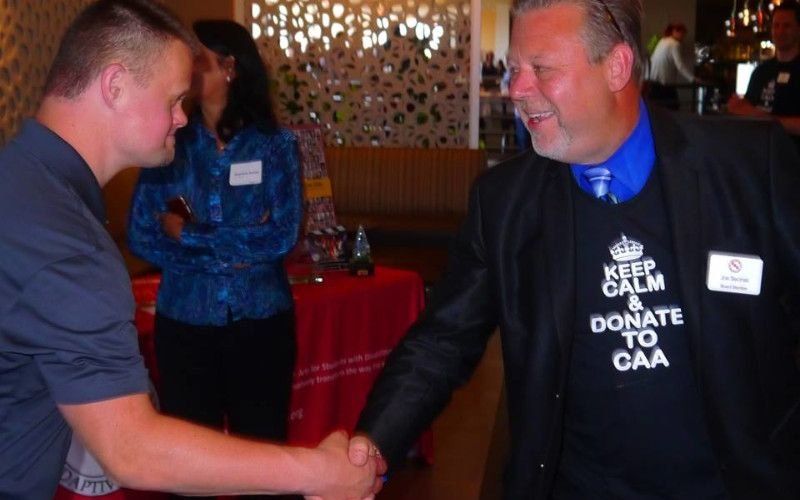
2025 has been a pivotal, transformational year for @College of Adaptive Arts (CAA). The conversations we’re having across the community continue to affirm that we are on the right track in advancing an expanded, adaptive higher education model—one we believe can scale nationwide and beyond. We hear it constantly: “Wouldn’t it be nice to have this model in my community? ” If we had a dollar for every time someone said that, we’d be much further along in realizing our vision of lifelong learning for all. CAA fills a critical gap in access to authentic, lifelong learning opportunities for adults with intellectual and developmental disabilities (IDD). Across the country, momentum is growing for inclusive collegiate partnerships and postsecondary programs. These efforts are phenomenal and exciting—but many are limited to a traditional four-year, post–high school timeframe, often ending around age 22. For adults with IDD, disability accommodations at typical colleges and universities (such as extended time, test readers, note takers, or separate testing spaces) may not be sufficient or appropriate. When those supports don’t meet their needs, educational options become narrow and limited. That’s the gap CAA is designed to bridge. CAA is a lifelong learning model. Credits are earned through exposure to instructional concepts. Undergraduate and graduate diplomas are awarded based on hours of participation. After receiving a diploma, students are welcomed and encouraged to re-enroll and continue learning at their own pace, for as long as they wish. Some students take just one class that sparks their curiosity; others enroll in multiple courses. Some explore a subject for a semester or two, then pivot to a different area. Many students value our online-only option due to medical complexities or limited transportation, while others prefer in-person learning. This flexibility is a key reason we envision this model embedded on college campuses nationwide. Our graduate students can enroll in our workforce development program, which offers adults with IDD paid apprenticeship positions where they can gain meaningful, practical workforce skills. We see CAA as a flexible, scalable model of lifelong learning that communities across the country can adopt—much like the way Special Olympics has transformed access and inclusion in athletics, CAA aims to do so in higher education. To measure impact, we focus on improvements in: Quality of Life Hope Confidence Connections & Friendships Pathways to Contribution These indicators remain consistently high—not only for CAA students, but also for faculty, staff, parents, and care providers. This adaptive, lifelong learning model benefits: Adults with IDD who are eager and hungry to learn. Adults seeking meaningful, part-time or gig-based employment in a dynamic, supportive environment. Parents and care providers—one parent shared, “I can finally sleep at night.” Communities, which begin to see adults with disabilities in a new light, recognizing their talents, skills, and contributions. We are deeply grateful to the many community partners who have leaned in this past year to share their resources, insights, and wisdom, including: @Greenbrier, @SASCC, @StateSenatorCortese, @JoeSimitian, @PamFoley, @Visa, @GoldenStateWarriors, @CDSA, @Arm, Inc., @SaratogaSprings, @BlueOakNx, @WestValleyCollege, @LaneyCollege, @Profound, @BlindInstituteofTechnology, @Hiline, @ImpactPro, @MissionCollege, @SamLiccardo, @OpenAIPeopleFirst, @TEDxViikki, @CynthiaGregory, @AssociationofHigherEducationandDisability, @AmericanAssociationforIntellectualandDevelopmentalDisability, @Brainshare, @OnlineAssistantPro, @SanAndreasRegionalCenter, @CADepartmentofDevelopmentalServices, @CaliforniaAssociationofPostsecondaryEducationandDisability, @ForbesNonprofitCouncil, @SheriJayCoaching, and @HummingbirdStudio. The groundswell of support for this lifelong higher learning model is palpable. Onwards and upwards for eager and hungry lifelong learners.

Subscribe to our mailing list

Are you a current family looking for Weekly Updates? Sign into the student portal or subscribe to our weekly email list.
Subscribe

Share