

Dr. Pamela Lindsay: Univ of Phoenix Blog
College of Adaptive Arts proudly shares University of Phoenix’s latest Blog Post on Dr. Pamela Lindsay, Ed.D/CI, Co-Founder & Dean of Instruction:
Alum launches College of Adaptive Arts to provide equitable education experience for adults with special needs
A George Bernard Shaw quote was a catalyst to something life-changing for Dr. Pamela Lindsay. It reads, “Life isn’t about finding yourself. Life is about creating yourself.” She includes it in her email signature as a reminder of the important work she is doing to educate adults with special needs.
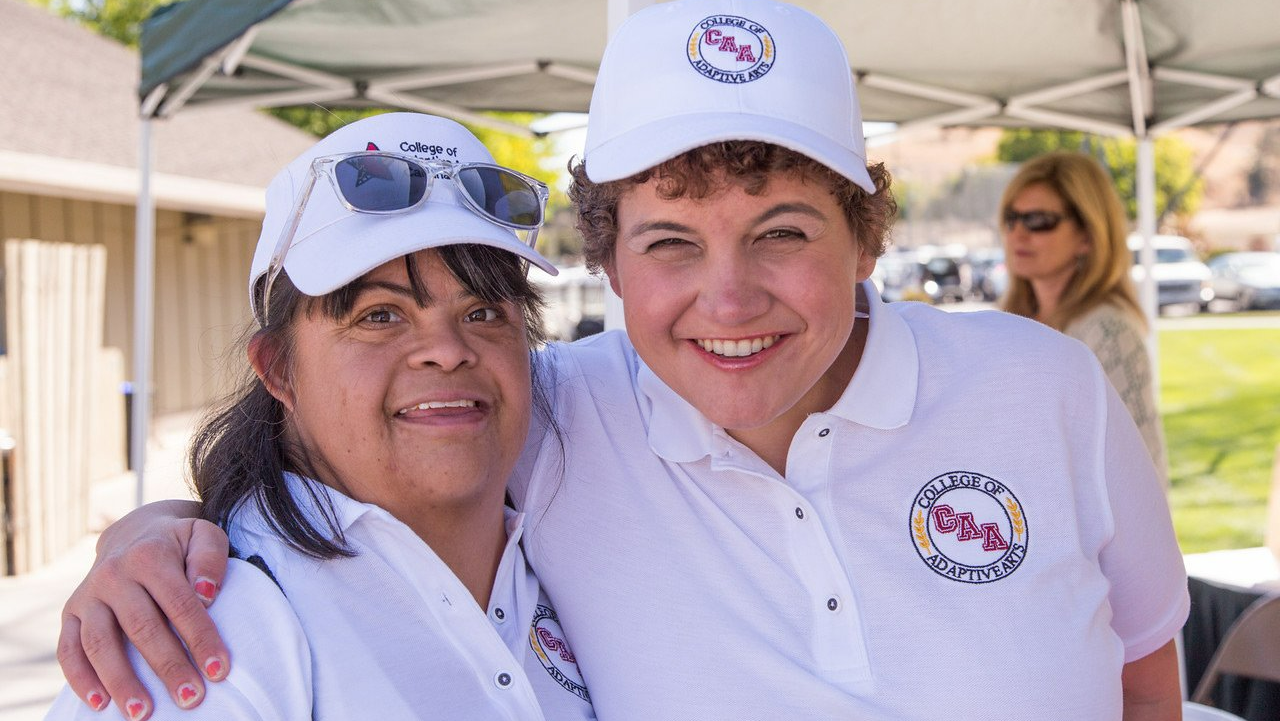
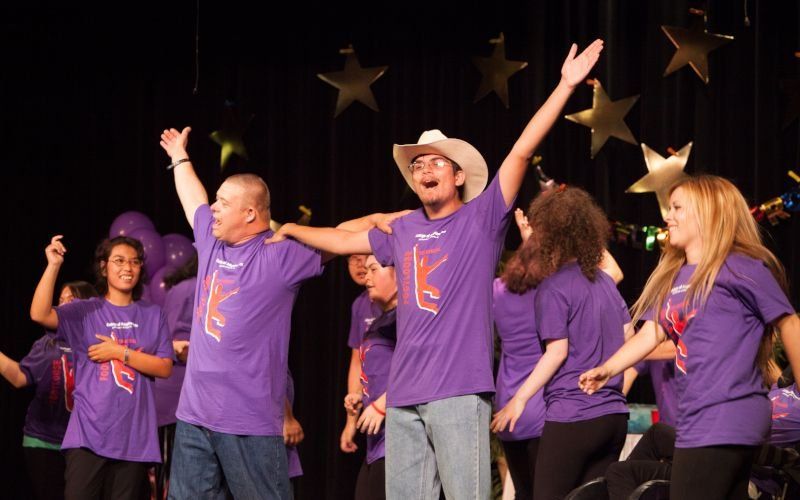
In 2009, she helped launch the nonprofit College of the Adaptive Arts (CAA) in San Jose[1] to provide a college option for adults with disabling conditions who have aged out of traditional educational support.
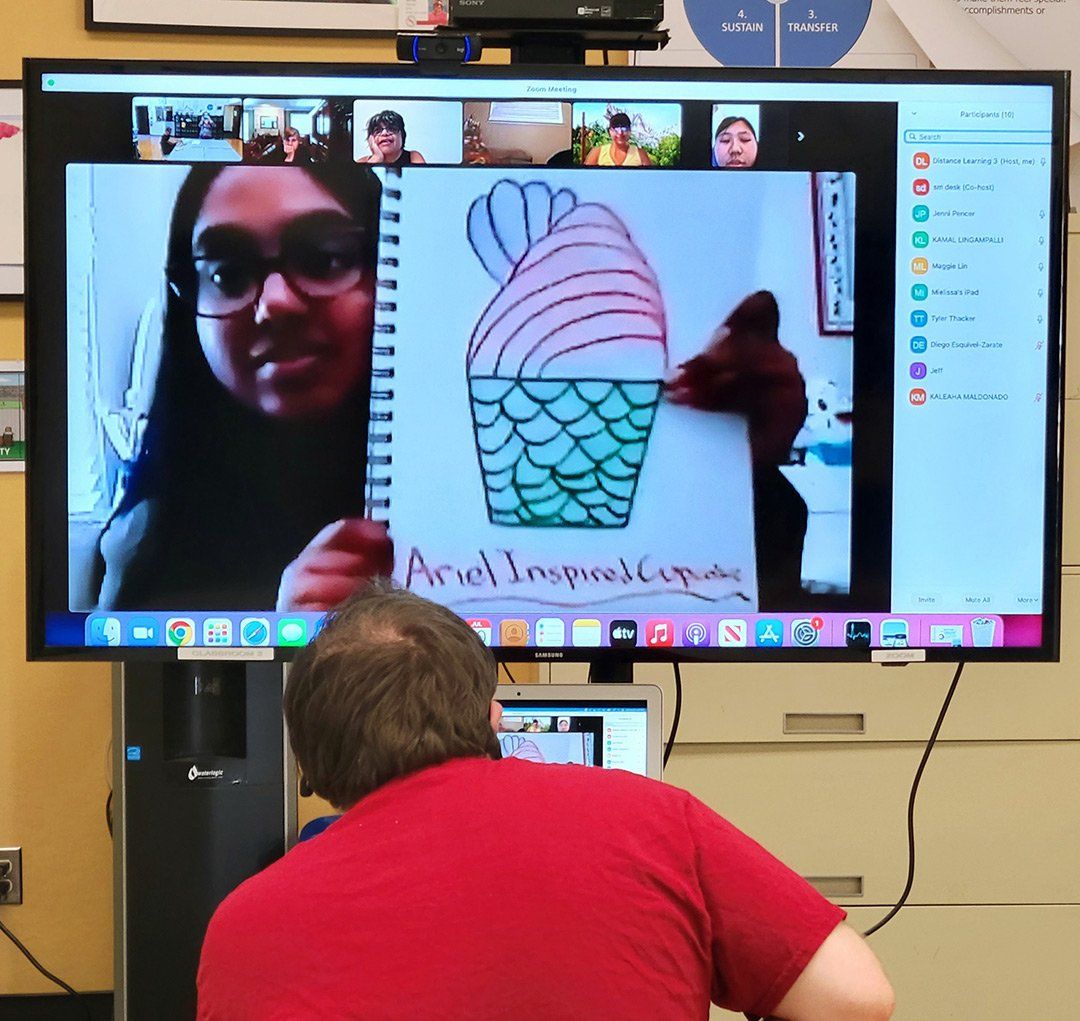
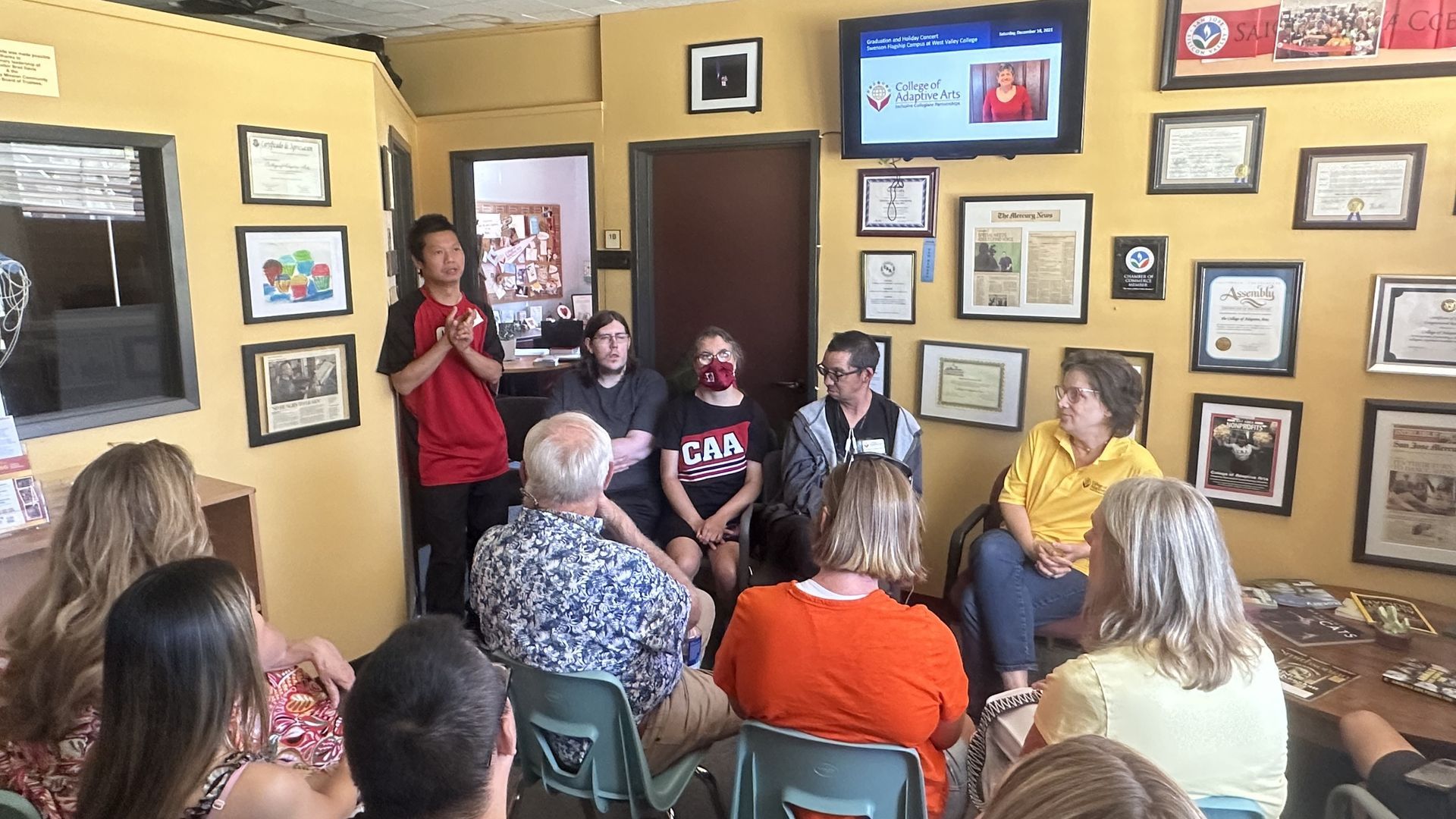
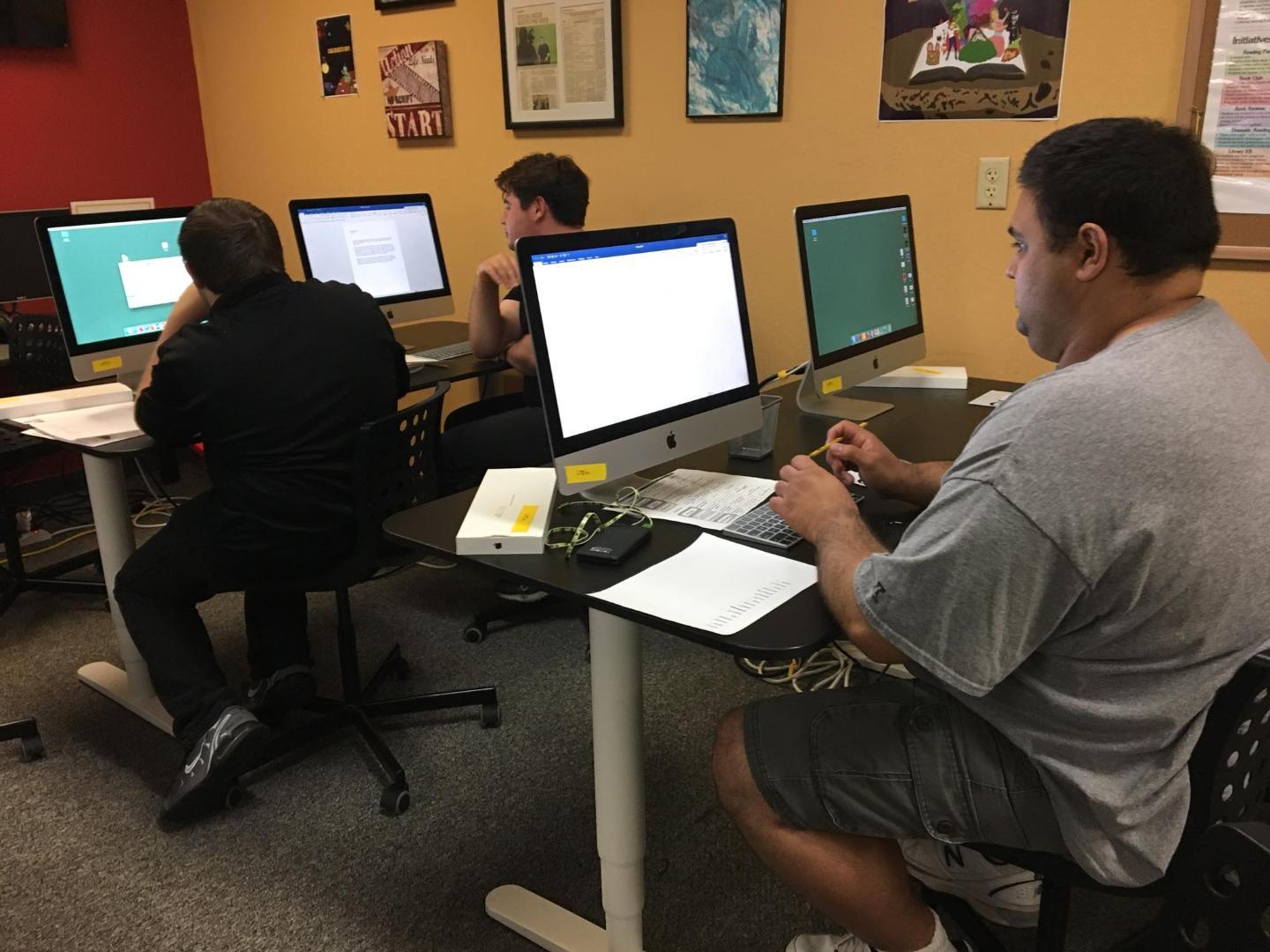
Today, CAA has more than 100 students aged 18 and up taking more than 40 course offerings each quarter among nine schools of instruction.[2] CAA degrees are nontransferable and do not prepare students for job placement or a vocation. Instead, the curriculum is about feeding their curiosity and providing each individual with creative ways to participate individually, in groups and as leaders to show mastery of a concept.
Dr. Lindsay believes everyone deserves an education and CAA was designed to give those without traditional pathways access to a college experience.
“Our students have a hunger for learning, and they want to keep learning more. So, we give them that platform to explore what is interesting to them,” Said Dr. Lindsay, who earned a doctorate in curriculum and instruction, leadership in special education at UOPX. “For our students, we must engage them to lock what they are learning into their memory. It’s the same key cognitive development concepts needed in all areas of life.”
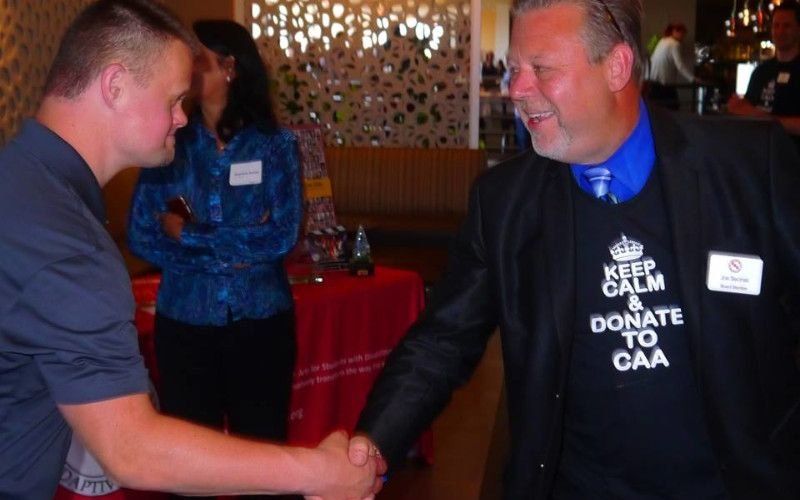
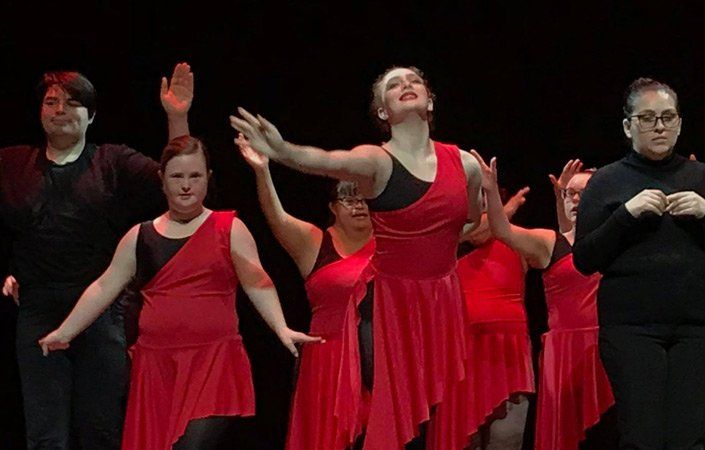
The idea for CAA was set in motion over a decade ago, when Dr. Lindsay and co-founder DeAnna Pursai, participated in a theater and choir fundraiser for students with disabilities. Many of the students who performed that night were “aging out” of the supportive programs, as state-sponsored support for children with special needs lasts through age 22. After that, educational opportunities are limited to those who can meet a college’s admissions standards without modification.
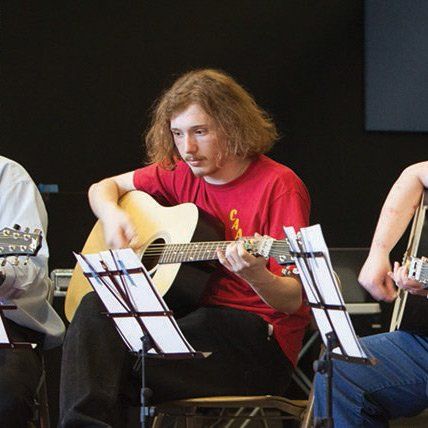
Dr. Lindsay and Pursai reached out to families to see if they might have adults with disabilities interested in classes in the arts. At first, a handful of special needs students interested in the arts joined music classes hosted in Dr. Lindsay’s home. From there, classes grew into a space for adults with disabilities to learn to live a full and empowered life as contributing members of the community through an arts-focused education.
They found they had the support and a solid base of students and families interested in participating. They needed a plan to turn their classes into a college.
Despite both having a passion for special education, the duo decided to take a divide-and-conquer approach to build CAA.[3][4] Pursai took on the role of executive director and pursued training to learn more about finance, business building and navigating funding sources. As dean of instruction for the College, Dr. Lindsay searched for a doctoral program to create the academic infrastructure for CAA.
She quickly learned that developing a curriculum that worked for these students would be difficult. She believed that it couldn’t be modeled after existing curriculum. She felt that it needed to be built from the ground up and focused on leadership and applied learning. Finding the right terminal degree to meet her needs was a challenge.
She discovered University of Phoenix’s doctoral program, with an educational framework built around the Scholar, Practitioner, Leader (SPL) model. The model focuses on lifelong-learning, leadership and positively impacting communities and workplaces.[1]
Through each course of her doctorate, Dr. Lindsay created materials and brought to life the vision she had for CAA’s curriculum. The result was ARTS, a curriculum model that builds on four key cognitive-developmental concepts, modeled after SPL. ARTS stands for: Accessing concepts, Responding to concepts, Transferring to independent understanding, and Sharing through leadership.
The University’s SPL model is designed to allow doctoral candidates to connect theory, learning and practice within an individual’s field so that thought leaders become producers of change.[2] Dr. Lindsay incorporated this into her curriculum focused on leadership and application. Programs are concentrated on the arts and each student’s learning is based on mastery of concepts and sharing it as a leader.
Pursai said she feels blessed to have Pam at the helm of curriculum and instruction for CAA.
“Pam is a true pioneer in her field. She established a curricular model and helped establish new procedures and processes to enable workflow to be streamlined, professional and easy to access,” she said. “Pam is so steadfastly committed to giving adults with intellectual disabilities a safe and engaging educational space to continue learning, growing and becoming the best versions of themselves.”
At CAA, meaningful participation in a course and demonstrating growth based on the ARTS model earns them credit. Students have the opportunity to earn a non-transferrable undergraduate degree when they complete 60 credits and move on to a 120-credit non-transferrable graduate degree and a 240-credit non-transferrable post-graduate degree.[3]
Dr. Lindsay is excited about what the future holds for CAA and its students. In addition to embracing the George Bernard Shaw quote, she and Pursai also march forward with the mantra “once a learner, always a learner,” and continue to seek out connections and networks of opportunity to grow the college.
“We serve one of the few groups not able to access education in an equitable way,” she said. “And we are finding more ways to do that.”
Subscribe to our mailing list
Are you a current family looking for Weekly Updates? Sign into the student portal or subscribe to our weekly email list.