Careproviders are Superheroes on Earth

March 17, 2019

 I have had the honor of being my sister’s primary careprovider for the past 3 months. My sister is a 45 years-old, has Down syndrome, is severely overweight, has a 45 degree curvature in her spine, and has numerous other medical conditions.


I have never felt so exhausted, overwhelmed and exasperated while at the same time feeling so content and fulfilled. I have the most utter, deep respect and awe for careproviders. I believe they are the true superheroes on Earth. Here are some lessons I’ve gleaned and observations I’ve experienced while being my sister’s primary and full-time careprovider:


  • I did not know it was humanly possible to brush one’s teeth for a half hour. It is. On good days.
  • Bodily functions and all that entails are real, constant, unpredictable, gross, and ongoing, and utterly exhausting.
  • I had no idea that anyone could be stretched to the max and be pulled in so many different directions simultaneously – dealing with a broken refrigerator, and a husband’s surgery, and a ER visit for the sister, all while managing a teenager and all of her school pick-up/drop-off needs.
  • She could vacillate on a dime from being my sister holding a rational, typical adult conversations to becoming childlike and vunerable needing extreme and immediate support and care.
  • I realized that her demeanor directly reflected mine. The more I exhibited stress, irritability, the more she behaved the same. When I was mindful to keep my demeanor in a place of love, kindness, and serenity, she also would exhibit the same.
  • Maintaining healthy personal relationships with others in your life such as a spouse, friends, colleagues, and children is demanding, challenging, and anguishing and is an underlying source of tension and angst.
  • I experience unbelievable bursts of delightful, refreshing childlike innocence. She exclaimed one day, The ‘ups’ truck is here. I had no idea what she meant until I saw the brown UPS truck. I then realized when she kept saying she wanted to go to the ‘ups’ store, that is what she meant. Another time I had a long talk to her on the way to my college about how she had been mean to another student, and I needed her to do the right thing and apologize. She gave me a guilty look, pondered a moment, and exclaimed, ‘I came out here all this way for nothing!’
  • I realized how much I valued and appreciated the tips and advice from other careproviders, gaining valuable tricks and wisdom as we were passing each other and the hallway and experiencing brief bursts of respite sitting together during classtime.
  • Just when you think you’ve got one facet of life under control, another issue crops up at impeccably inconvenient times.
  • When providing care for another human being, you enter into almost a different time dimension where everything operates at a slower pace, almost like navigating in a parallel universe.


I truly believe that careproviders are Superheroes through and through. For anyone providing direct care to someone on a constant basis, they are giving the ultimate sacrifice and for sure the best versions of themselves. For parents of children with special needs who have done this their entire lives with no end in sight, I salute you, I honor you, I thank you, I am in awe of you, and you are sincerely and truly Heroes on this Earth.
By DeAnna Pursai January 19, 2026
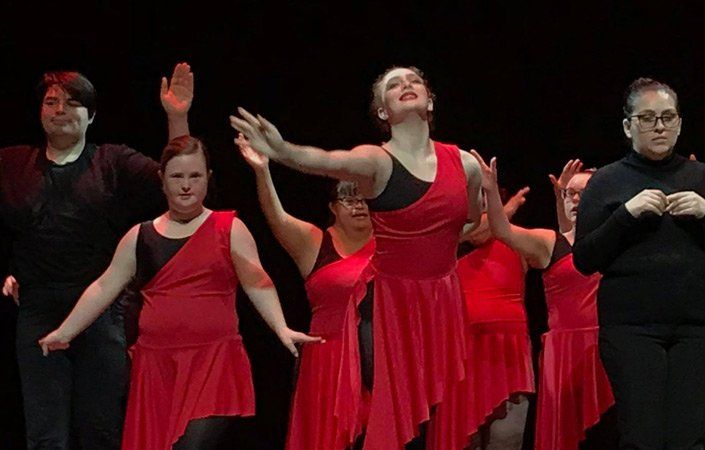
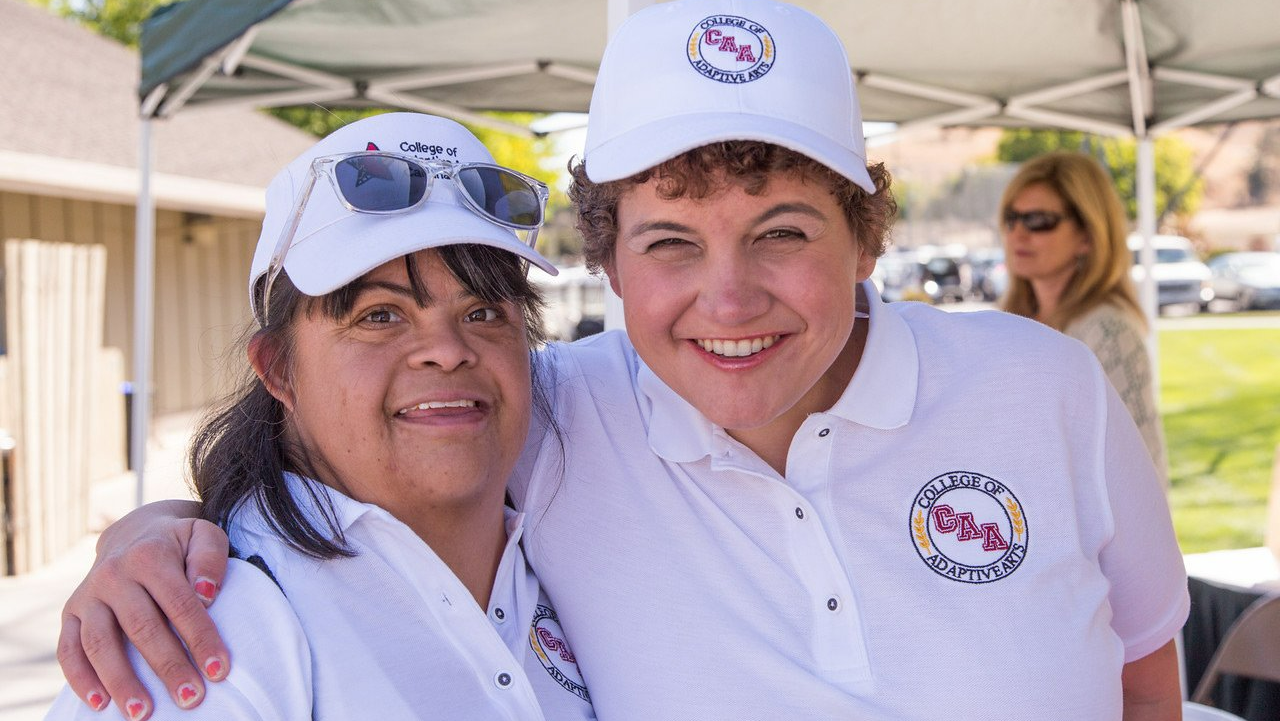
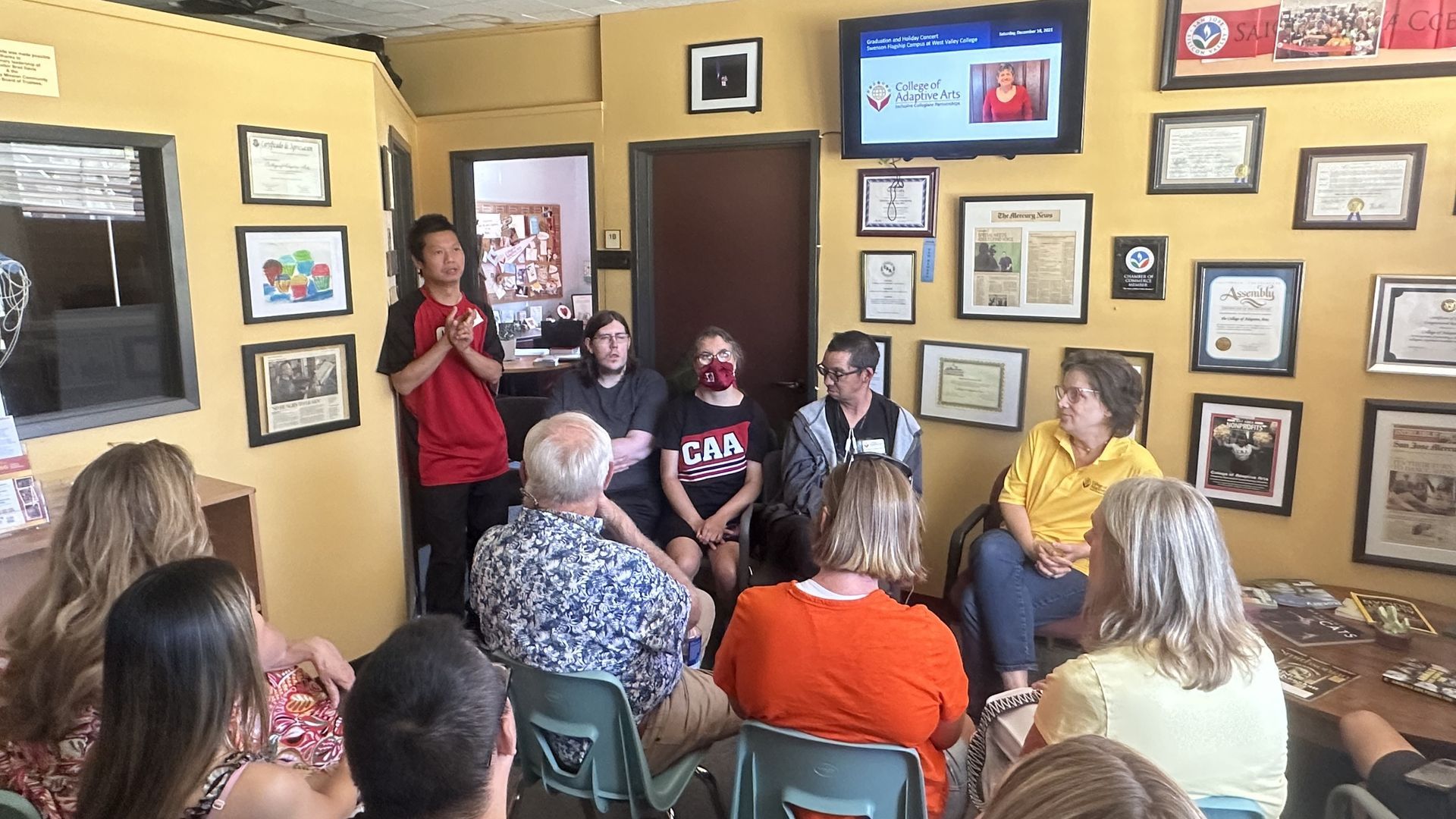
On this auspicious day celebrating the life of Dr. Martin Luther King, Jr., College of Adaptive Arts strives each day to live the legacy inspired by Dr. King. College of Adaptive Arts embraces the spirit of Dr. King by providing a lifelong collegiate model to adults who historically haven't had access to higher education. It's based on the premise that everyone has value to learn, connect, and contribute. What's truly refreshing about this lifelong learning model is the power of teamwork, inclusivity, and support for one another. Many of our staff have declared disabilities. They work tirelessly to support each other, back each other up, set their teammates up for optimal success. The students are off all ethnicities, backgrounds, disabilities, and ages over 18 when the college stage begins. Their support and goodwill for each other is a true shining light for us all to embrace. They know when each other is hurting, and they go out of their way to support and be a helping hand. They liberally give compliments in class on the thoughts and ideas each other present. They work alongside each other and hold space for each other to be who they are. These are most complex times we are living through. The College of Adaptive Arts model is truly a shining light on the best of humanity and human dignity and goodwill. We invite you to experience this vibrant lifelong learning model through a student-led tour each Friday CAA classes are in session, 1pm PST online virtual and 2:30pm PST in-person on the beautiful campus of West Valley College in Saratoga, CA: https://www.collegeofadaptivearts.org/tour-landing-page
By DeAnna Pursai December 31, 2025
2025 has been a pivotal, transformational year for @College of Adaptive Arts (CAA). The conversations we’re having across the community continue to affirm that we are on the right track in advancing an expanded, adaptive higher education model—one we believe can scale nationwide and beyond. We hear it constantly: “Wouldn’t it be nice to have this model in my community? ” If we had a dollar for every time someone said that, we’d be much further along in realizing our vision of lifelong learning for all. CAA fills a critical gap in access to authentic, lifelong learning opportunities for adults with intellectual and developmental disabilities (IDD). Across the country, momentum is growing for inclusive collegiate partnerships and postsecondary programs. These efforts are phenomenal and exciting—but many are limited to a traditional four-year, post–high school timeframe, often ending around age 22. For adults with IDD, disability accommodations at typical colleges and universities (such as extended time, test readers, note takers, or separate testing spaces) may not be sufficient or appropriate. When those supports don’t meet their needs, educational options become narrow and limited. That’s the gap CAA is designed to bridge. CAA is a lifelong learning model. Credits are earned through exposure to instructional concepts. Undergraduate and graduate diplomas are awarded based on hours of participation. After receiving a diploma, students are welcomed and encouraged to re-enroll and continue learning at their own pace, for as long as they wish. Some students take just one class that sparks their curiosity; others enroll in multiple courses. Some explore a subject for a semester or two, then pivot to a different area. Many students value our online-only option due to medical complexities or limited transportation, while others prefer in-person learning. This flexibility is a key reason we envision this model embedded on college campuses nationwide. Our graduate students can enroll in our workforce development program, which offers adults with IDD paid apprenticeship positions where they can gain meaningful, practical workforce skills. We see CAA as a flexible, scalable model of lifelong learning that communities across the country can adopt—much like the way Special Olympics has transformed access and inclusion in athletics, CAA aims to do so in higher education. To measure impact, we focus on improvements in: Quality of Life Hope Confidence Connections & Friendships Pathways to Contribution These indicators remain consistently high—not only for CAA students, but also for faculty, staff, parents, and care providers. This adaptive, lifelong learning model benefits: Adults with IDD who are eager and hungry to learn. Adults seeking meaningful, part-time or gig-based employment in a dynamic, supportive environment. Parents and care providers—one parent shared, “I can finally sleep at night.” Communities, which begin to see adults with disabilities in a new light, recognizing their talents, skills, and contributions. We are deeply grateful to the many community partners who have leaned in this past year to share their resources, insights, and wisdom, including: @Greenbrier, @SASCC, @StateSenatorCortese, @JoeSimitian, @PamFoley, @Visa, @GoldenStateWarriors, @CDSA, @Arm, Inc., @SaratogaSprings, @BlueOakNx, @WestValleyCollege, @LaneyCollege, @Profound, @BlindInstituteofTechnology, @Hiline, @ImpactPro, @MissionCollege, @SamLiccardo, @OpenAIPeopleFirst, @TEDxViikki, @CynthiaGregory, @AssociationofHigherEducationandDisability, @AmericanAssociationforIntellectualandDevelopmentalDisability, @Brainshare, @OnlineAssistantPro, @SanAndreasRegionalCenter, @CADepartmentofDevelopmentalServices, @CaliforniaAssociationofPostsecondaryEducationandDisability, @ForbesNonprofitCouncil, @SheriJayCoaching, and @HummingbirdStudio. The groundswell of support for this lifelong higher learning model is palpable. Onwards and upwards for eager and hungry lifelong learners.
By Michael Reisman September 24, 2025
State Senator Dave Cortese shares his support & rationale for supporting this lifelong, adaptive equitable education model for workforce development & scaling and replication.

Subscribe to our mailing list

Are you a current family looking for Weekly Updates? Sign into the student portal or subscribe to our weekly email list.
Subscribe

Share