By Nicole Kim
•
March 9, 2026
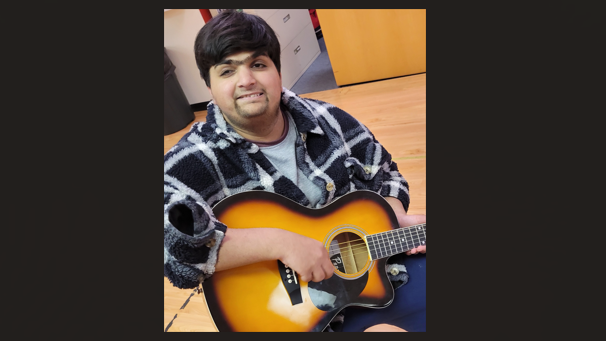
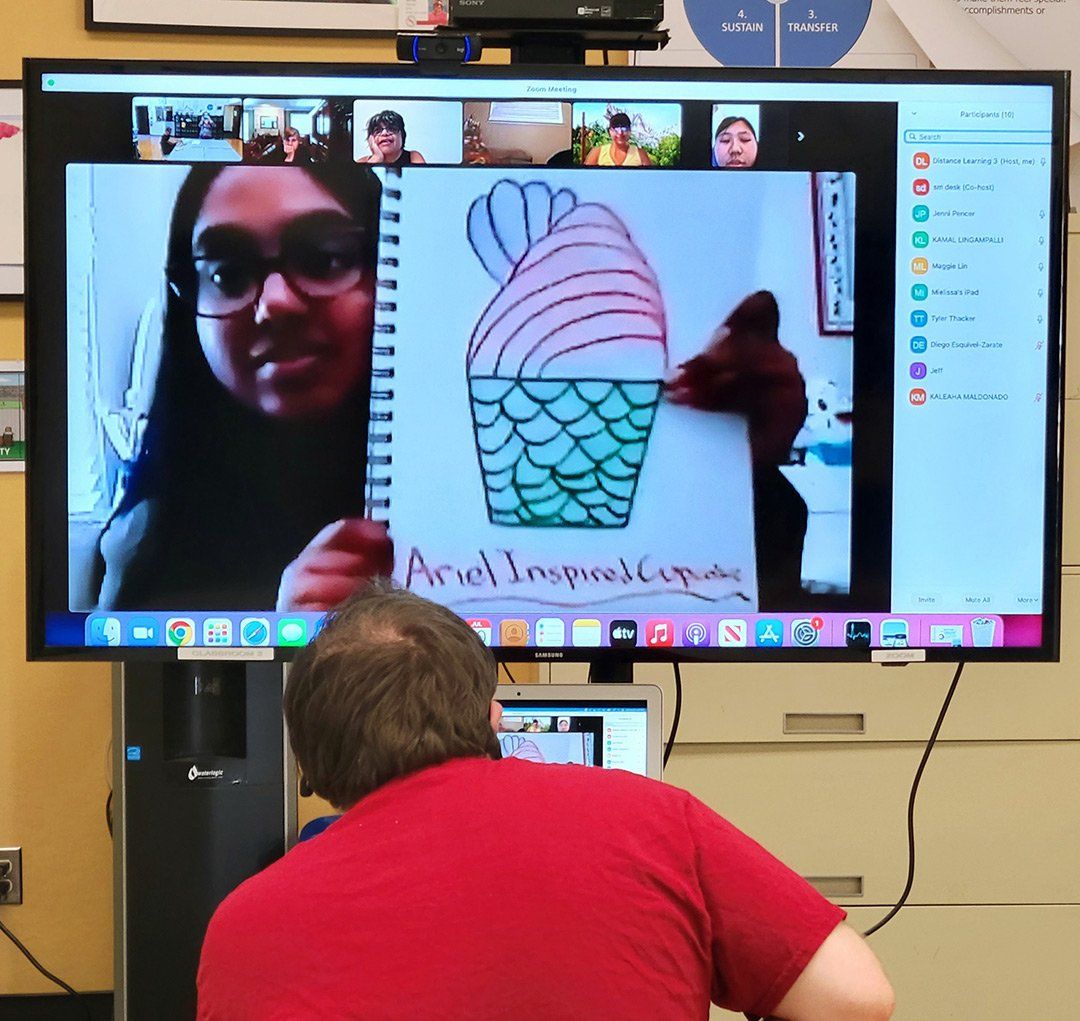
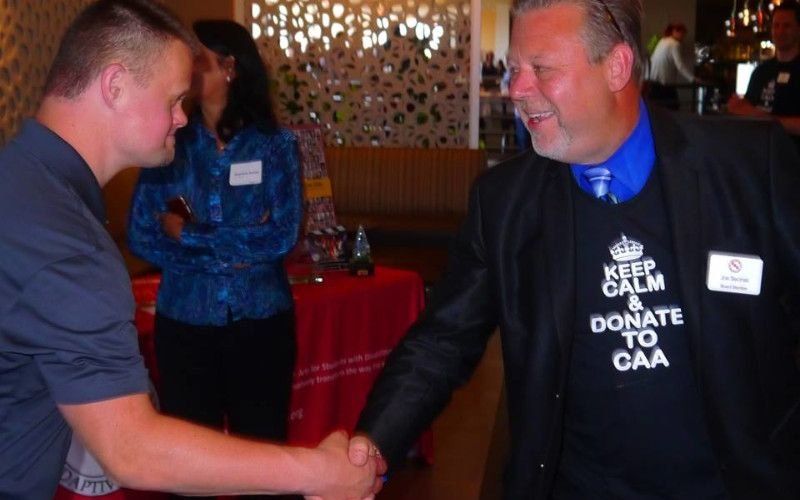
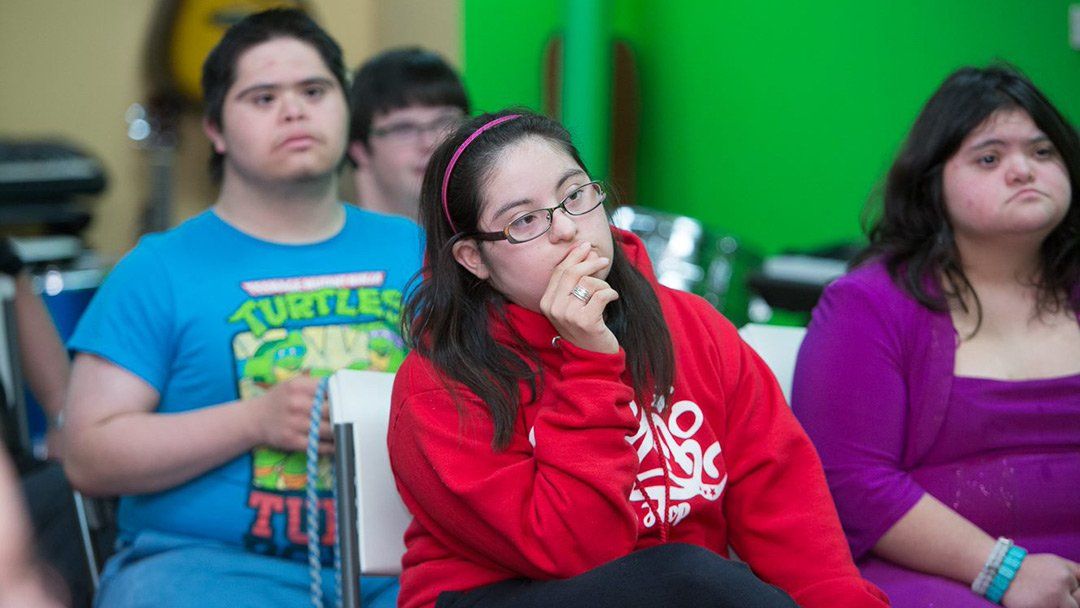
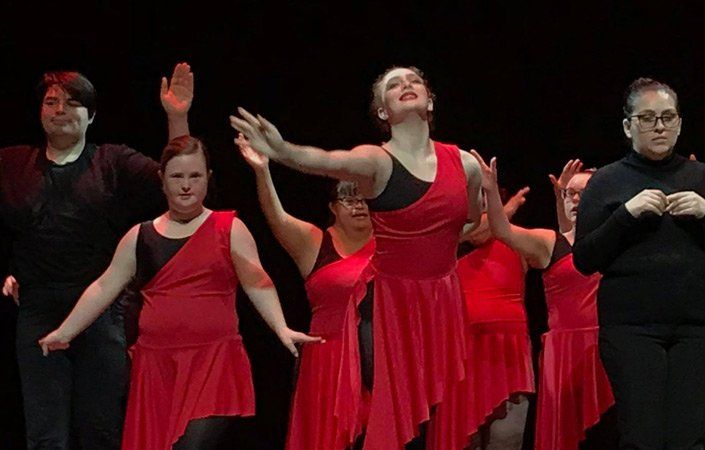
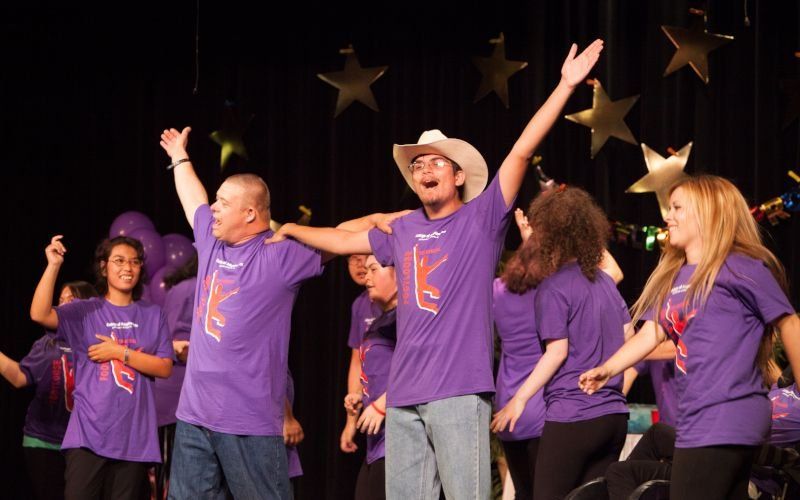
When my son, Saïd, was born, we discovered he had Down syndrome. I was 21 years old at the time, and I hadn’t done prenatal testing because it was considered a “low-risk” pregnancy. Suddenly I found myself sitting in doctors’ offices and hearing professionals describe what they believed his future would look like. “He may never learn to read.” “His learning will likely plateau around age four.” “It’s unlikely he will live an independent life.” Those are frightening things to say to a young mother. Thankfully, I didn’t believe them. Instead, I chose to raise my son with the expectation that he would learn , would grow , and would live as full a life as he was capable of living . And he did. When the College of Adaptive Arts started in 2009, Saïd was 19—just the right age for college. We became part of the CAA community and never left. He took classes, performed in the community, and truly blossomed as a young man. Along the way he discovered that he loves theater. He also loves to sing. Don’t give him a microphone—you may never get it back. π Today, at 35 years old, Saïd lives with a roommate and a caregiving couple. He has a vibrant, joyful, independent life. And he still loves taking classes every semester. My own journey with CAA has been equally meaningful. For most of those years, I was a parent in the community. I soon joined the Board and became a professor. I taught classes like Speaking with Confidence and Joy of Baking , and eventually stepped into the role of Executive Director. But the belief that first guided me as a young mother has never changed. The belief I had in Saïd’s ability to learn, grow, and build a meaningful life is the same belief I hold for every student who walks through the doors of the College of Adaptive Arts. And something remarkable happens when you lead with that belief. Students rise to meet it. When we expect growth, they grow. When we expect contribution, they contribute. When we expect full lives, they build them. At CAA, we don’t define our students by limitations. We define them by possibility. And every semester, they remind us that possibility is far greater than anyone once imagined. -- Nicole Kim Executive Director College of Adaptive Arts