
Where the System Ends, CAA Begins. We Built the College We couldn't find. CAA Story #5 Kim Rains
DeAnna Pursai • March 23, 2026
Kimberly was born in May 1978. She was a beautiful baby but something seemed off so testing was done and it was determined that she had Down syndrome. Testing also revealed she had a heart defect with a hole between chambers and a valve that didn’t work properly. This was all new to us.
She was doing well so doctors decided to wait to let her grow bigger before doing heart surgery to repair the defects. We waited about 3 years and finally had open heart surgery at Stanford Children’s Hospital. The heart surgery went well but there was scaring below the vocal cords in her air way which required a Tracheostomy Tube below her vocal cords to allow outside air to & from her lungs. The Trach tube required suctioning to remove mucus from her airway and her lungs.
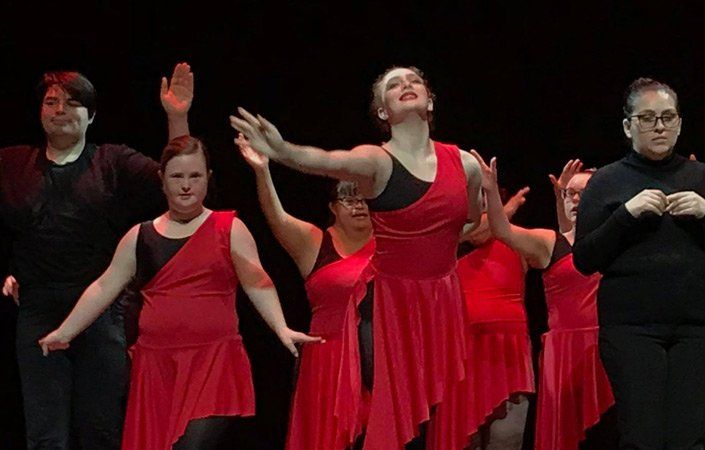
But as Kim grew and made friends in the neighborhood and at early intervention school she learned she loved to dance and perform for the family and for an audience. She thrived when dancing in class, when practicing and when performing. She was a regular dancer at the Alice Porter Dance Studio in San Jose.
She taught us, her parents, what she could do. We never said “you can’t” or “You won’t”. I would urge parents to use positive words when speaking to their children. She learned sign language to help communicating with others and her teacher. She learned to cover her trach with her finger to force air through her vocal cords to speak out loud.
When teaching Kim how to ride a two wheeled bike she had difficulty with balancing. We tried everyday for a long period of time. We eventually found a three wheeled recumbent bicycle. She could ride that bike right away, and loved it.
With her medical issues, we ended up with a trip to see a specialist in Salt Lake City, Utah and several trips to Cincinnati, Ohio.
Dr. John Langdon Haydon Down (1828 – 1896) was a British physician well known for his work & description of the genetic condition “Down syndrome” which he originally classified in 1862. He is also known for his work in social medicine and as a pioneer in the care of mentally disabled patients. It is too bad he didn’t have a different last name or a different way to identify the syndrome. For many of our children there is so much more “Up” and not so much “Down”.
Kim joined several dance classes and used sign language for the church choir.
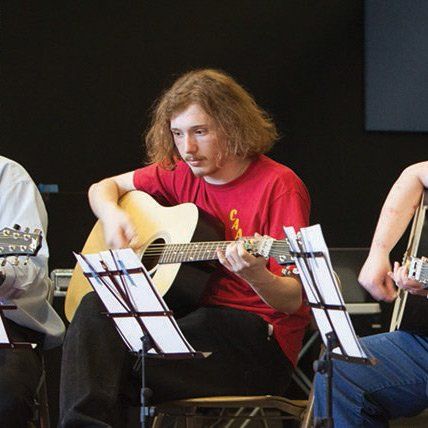
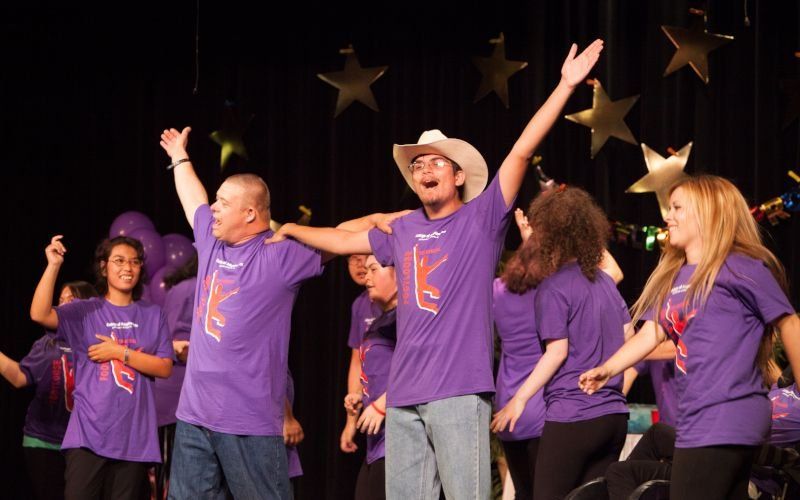
Once we discovered College of Adaptive Arts there were several classes Kim wanted to take part in. She loved her new friends and brought several existing friends to join her in classes. She thrived in dancing, acting, practicing and learning new things. She led practice sessions at various times in several classes.
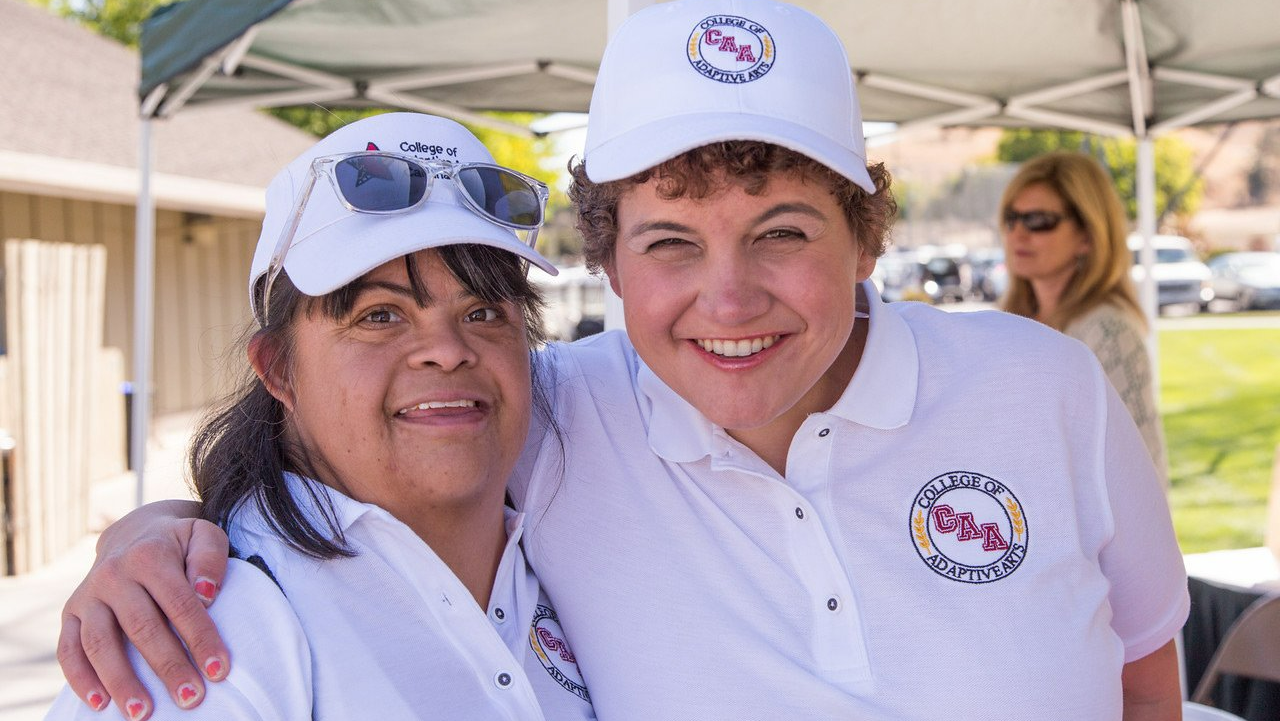
The College of Adaptive Arts has been a great resource for Kimberly and for us to help and enable Kim to learn, grow and thrive in many areas. She loved to perform in public and on stage. CAA offers many types of learning scenarios and learning environments.
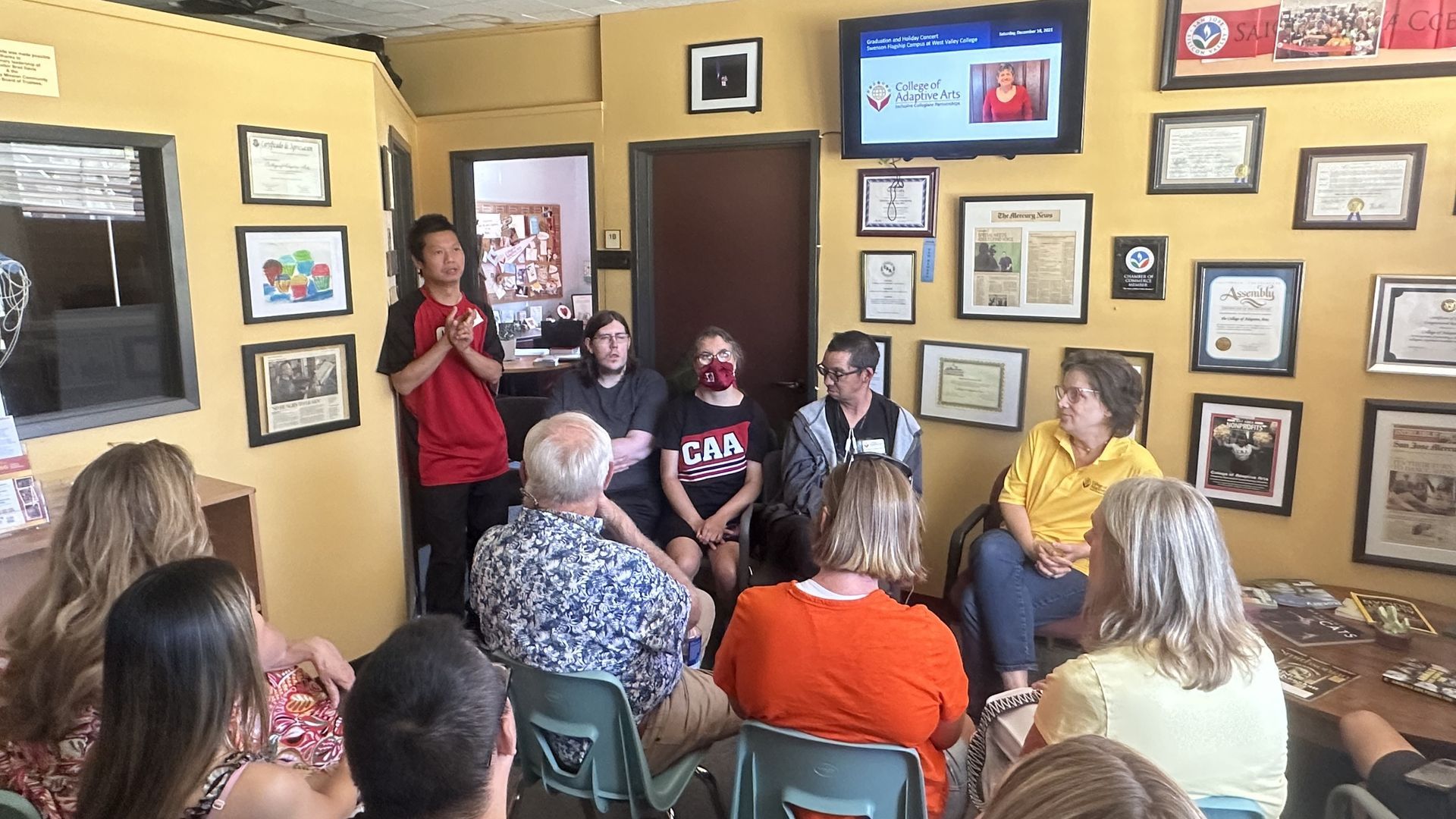
It can be good to consider which classes are available and join those that could turn out great for your child. The sky is the limit. The College of Adaptive Arts is a lifelong learning environment.
Thank you to Pam and DeAnna for your vision and for your follow-through. Thank you to all the current leaders for their work and dedication.
CAA has been a blessing to us in so many ways.
She was doing well so doctors decided to wait to let her grow bigger before doing heart surgery to repair the defects. We waited about 3 years and finally had open heart surgery at Stanford Children’s Hospital. The heart surgery went well but there was scaring below the vocal cords in her air way which required a Tracheostomy Tube below her vocal cords to allow outside air to & from her lungs. The Trach tube required suctioning to remove mucus from her airway and her lungs.
But as Kim grew and made friends in the neighborhood and at early intervention school she learned she loved to dance and perform for the family and for an audience. She thrived when dancing in class, when practicing and when performing. She was a regular dancer at the Alice Porter Dance Studio in San Jose.
She taught us, her parents, what she could do. We never said “you can’t” or “You won’t”. I would urge parents to use positive words when speaking to their children. She learned sign language to help communicating with others and her teacher. She learned to cover her trach with her finger to force air through her vocal cords to speak out loud.
When teaching Kim how to ride a two wheeled bike she had difficulty with balancing. We tried everyday for a long period of time. We eventually found a three wheeled recumbent bicycle. She could ride that bike right away, and loved it.
With her medical issues, we ended up with a trip to see a specialist in Salt Lake City, Utah and several trips to Cincinnati, Ohio.
Dr. John Langdon Haydon Down (1828 – 1896) was a British physician well known for his work & description of the genetic condition “Down syndrome” which he originally classified in 1862. He is also known for his work in social medicine and as a pioneer in the care of mentally disabled patients. It is too bad he didn’t have a different last name or a different way to identify the syndrome. For many of our children there is so much more “Up” and not so much “Down”.
Kim joined several dance classes and used sign language for the church choir.
Once we discovered College of Adaptive Arts there were several classes Kim wanted to take part in. She loved her new friends and brought several existing friends to join her in classes. She thrived in dancing, acting, practicing and learning new things. She led practice sessions at various times in several classes.
The College of Adaptive Arts has been a great resource for Kimberly and for us to help and enable Kim to learn, grow and thrive in many areas. She loved to perform in public and on stage. CAA offers many types of learning scenarios and learning environments.
It can be good to consider which classes are available and join those that could turn out great for your child. The sky is the limit. The College of Adaptive Arts is a lifelong learning environment.
Thank you to Pam and DeAnna for your vision and for your follow-through. Thank you to all the current leaders for their work and dedication.
CAA has been a blessing to us in so many ways.
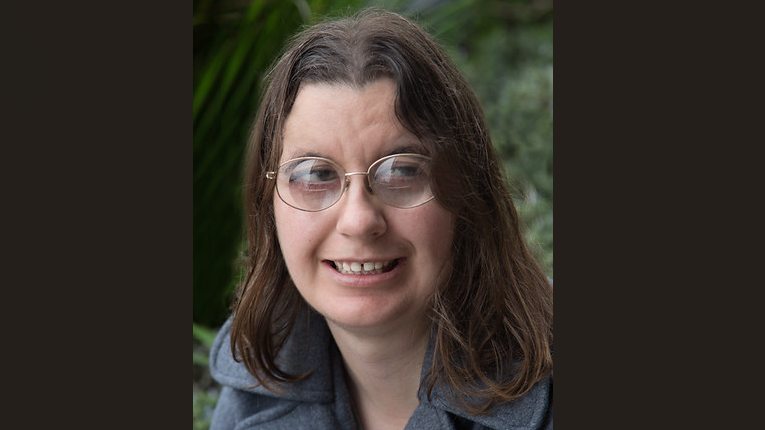
Ali is the creator/visionary behind The Cardinal Times - the CAA student newsletter.
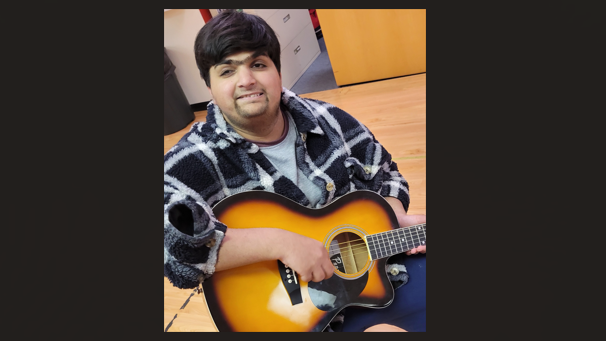
Sonia has been a tremendous asset and help to CAA since becoming a trained volunteer.
Tiffany keeps CAA on the straight and narrow when it comes to grants management!
Subscribe to our mailing list
Are you a current family looking for Weekly Updates? Sign into the student portal or subscribe to our weekly email list.