Onwards & Upwards for Eager Lifelong Learners
DeAnna Pursai • December 31, 2025
Traction and growing momentum are real.
2025 has been a pivotal, transformational year for @College of Adaptive Arts (CAA). The conversations we’re having across the community continue to affirm that we are on the right track in advancing an expanded, adaptive higher education model—one we believe can scale nationwide and beyond.
We hear it constantly: “Wouldn’t it be nice to have this model in my community?” If we had a dollar for every time someone said that, we’d be much further along in realizing our vision of lifelong learning for all.
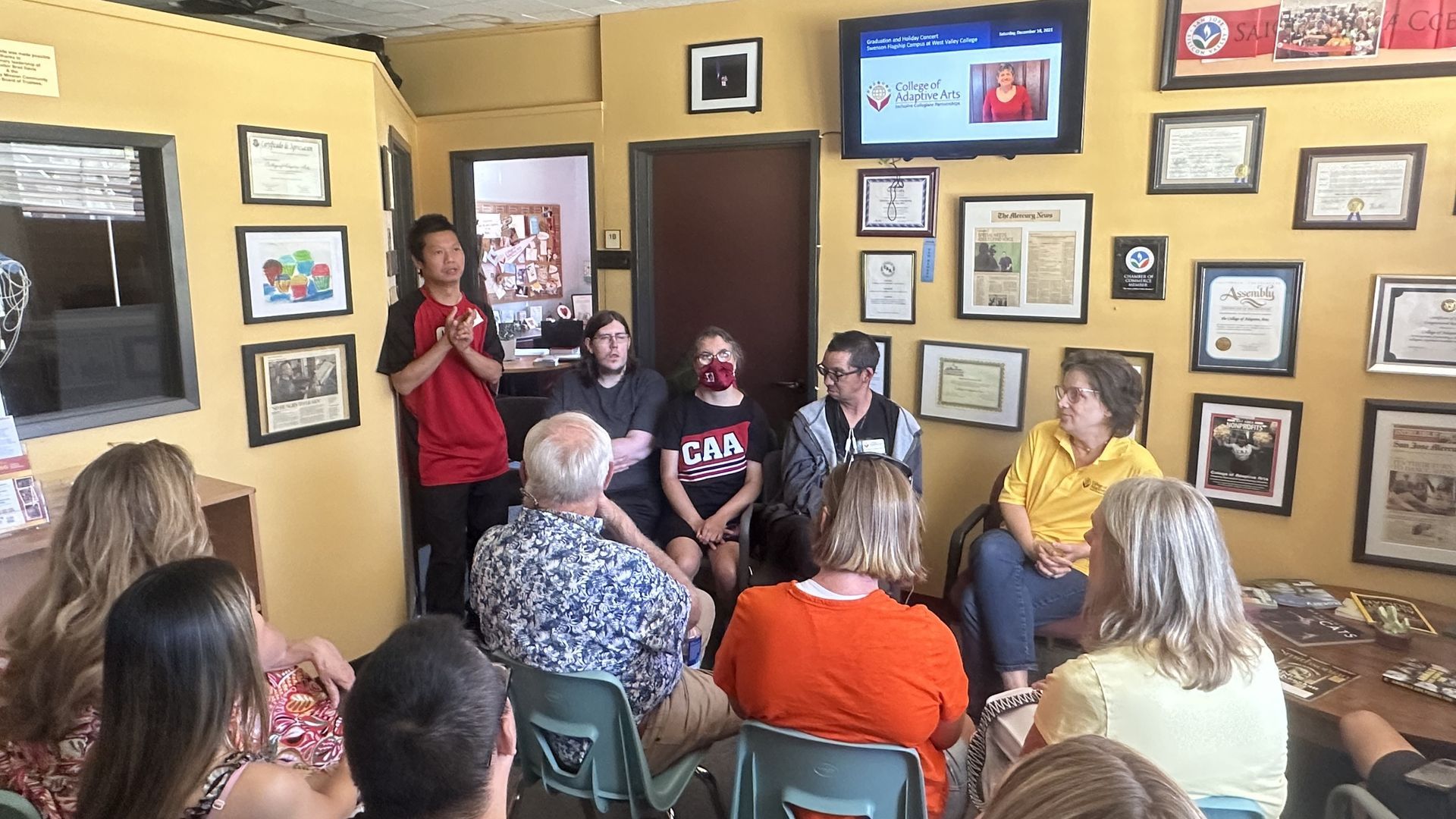
CAA fills a critical gap in access to authentic, lifelong learning opportunities for adults with intellectual and developmental disabilities (IDD). Across the country, momentum is growing for inclusive collegiate partnerships and postsecondary programs. These efforts are phenomenal and exciting—but many are limited to a traditional four-year, post–high school timeframe, often ending around age 22.
For adults with IDD, disability accommodations at typical colleges and universities (such as extended time, test readers, note takers, or separate testing spaces) may not be sufficient or appropriate. When those supports don’t meet their needs, educational options become narrow and limited. That’s the gap CAA is designed to bridge.
CAA is a lifelong learning model.
- Credits are earned through exposure to instructional concepts.
- Undergraduate and graduate diplomas are awarded based on hours of participation.
- After receiving a diploma, students are welcomed and encouraged to re-enroll and continue learning at their own pace, for as long as they wish.
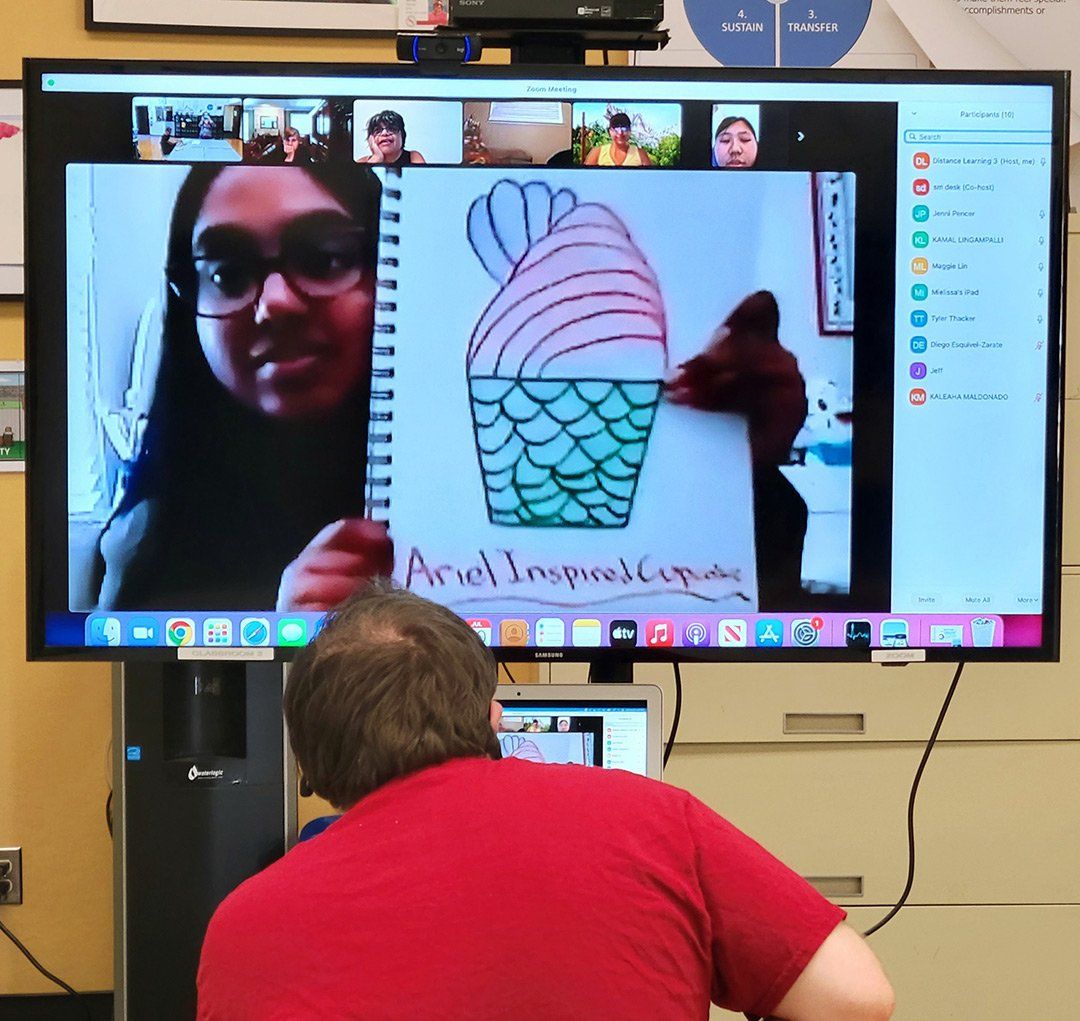
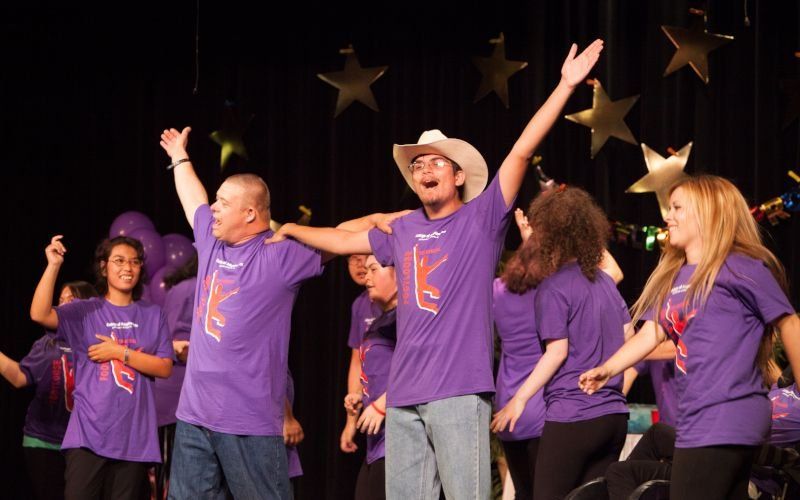
Some students take just one class that sparks their curiosity; others enroll in multiple courses. Some explore a subject for a semester or two, then pivot to a different area. Many students value our online-only option due to medical complexities or limited transportation, while others prefer in-person learning. This flexibility is a key reason we envision this model embedded on college campuses nationwide.
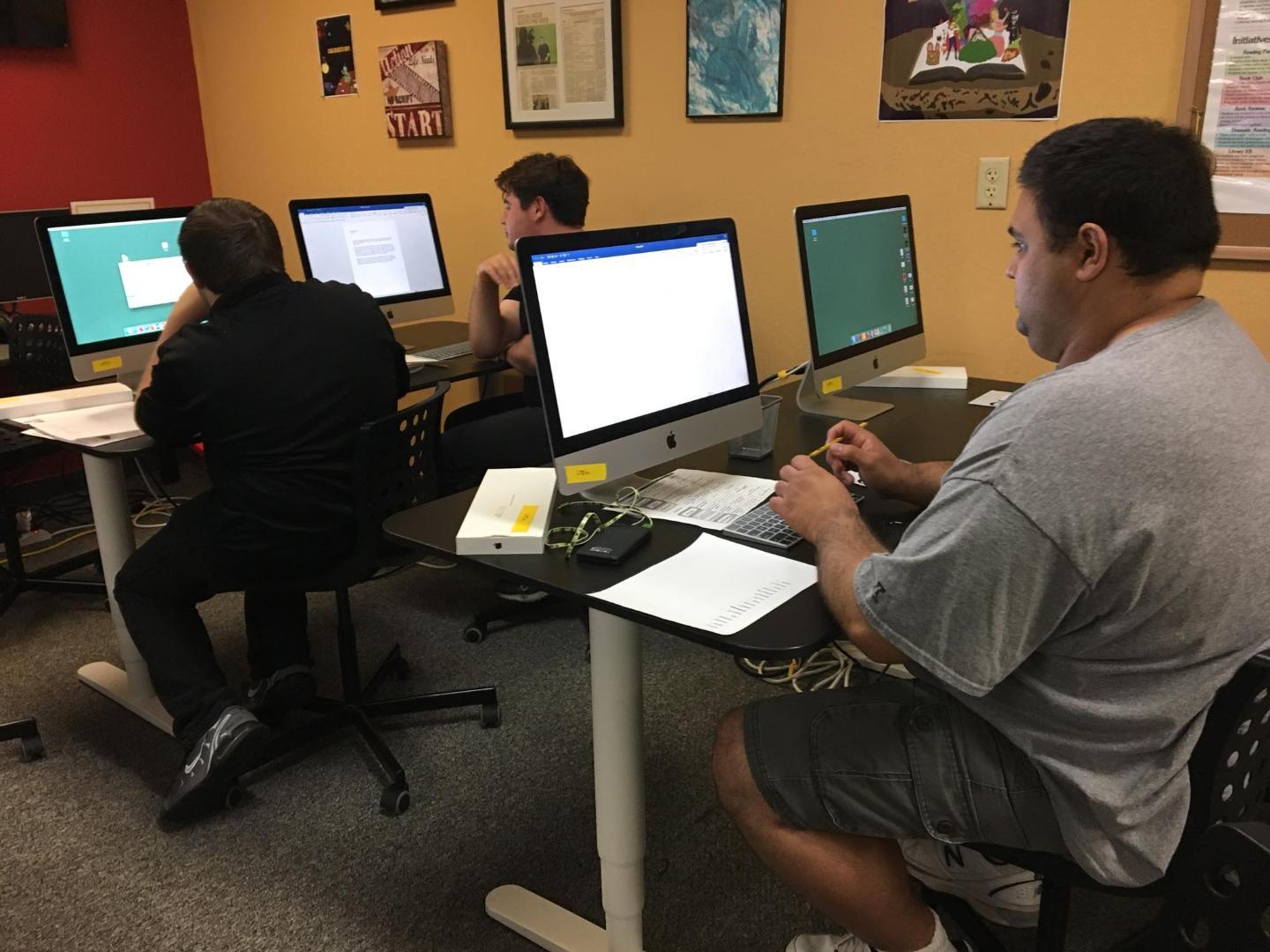
Our graduate students can enroll in our workforce development program, which offers adults with IDD paid apprenticeship positions where they can gain meaningful, practical workforce skills.
We see CAA as a flexible, scalable model of lifelong learning that communities across the country can adopt—much like the way Special Olympics has transformed access and inclusion in athletics, CAA aims to do so in higher education.
To measure impact, we focus on improvements in:
- Quality of Life
- Hope
- Confidence
- Connections & Friendships
- Pathways to Contribution
These indicators remain consistently high—not only for CAA students, but also for faculty, staff, parents, and care providers. This adaptive, lifelong learning model benefits:
- Adults with IDD who are eager and hungry to learn.
- Adults seeking meaningful, part-time or gig-based employment in a dynamic, supportive environment.
- Parents and care providers—one parent shared, “I can finally sleep at night.”
- Communities, which begin to see adults with disabilities in a new light, recognizing their talents, skills, and contributions.
We are deeply grateful to the many community partners who have leaned in this past year to share their resources, insights, and wisdom, including:
@Greenbrier, @SASCC, @StateSenatorCortese, @JoeSimitian, @PamFoley, @Visa, @GoldenStateWarriors, @CDSA, @Arm, Inc., @SaratogaSprings, @BlueOakNx, @WestValleyCollege, @LaneyCollege, @Profound, @BlindInstituteofTechnology, @Hiline, @ImpactPro, @MissionCollege, @SamLiccardo, @OpenAIPeopleFirst, @TEDxViikki, @CynthiaGregory, @AssociationofHigherEducationandDisability, @AmericanAssociationforIntellectualandDevelopmentalDisability, @Brainshare, @OnlineAssistantPro, @SanAndreasRegionalCenter, @CADepartmentofDevelopmentalServices, @CaliforniaAssociationofPostsecondaryEducationandDisability, @ForbesNonprofitCouncil, @SheriJayCoaching, and @HummingbirdStudio.
The groundswell of support for this lifelong higher learning model is palpable. Onwards and upwards for eager and hungry lifelong learners.
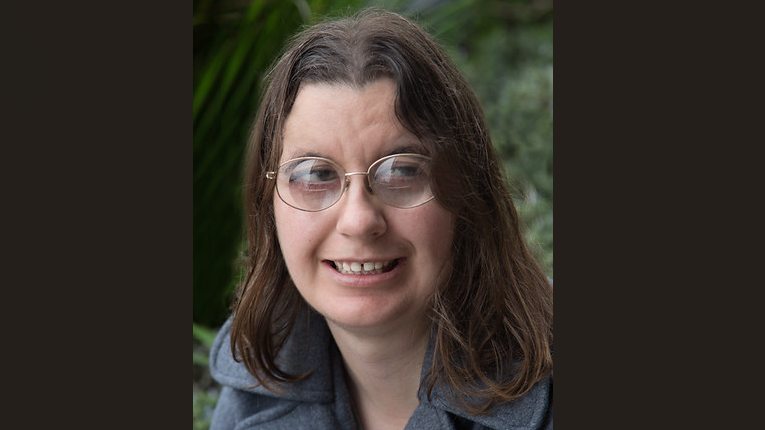
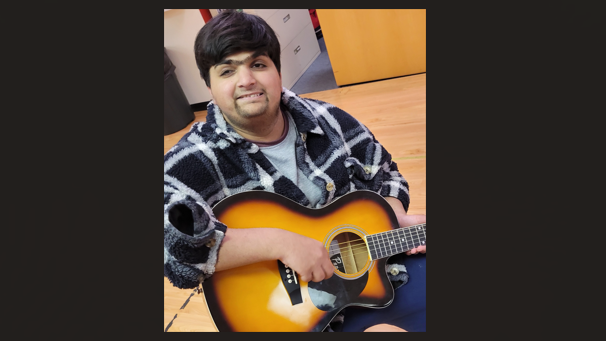
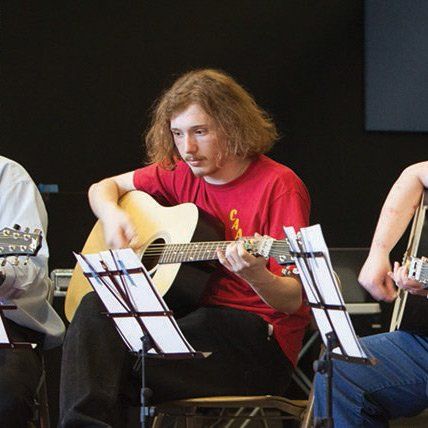
When Ann Lunt was recovering from foot surgery two years ago, she came across a story about CAA on Channel 7’s “Localish” TV show and she immediately knew it was a place where she belonged. “I love CAA,” Ann said. “Everyone is really friendly and the teachers understand us.” Ann has lived on her own for 20 years and navigates to and from campus by herself. In 2002, she went deaf but was able to get a cochlear implant in 2003 which now helps her hear, however the hearing loss still affects her speech. Despite that, or maybe because of it, Ann’s favorite thing is singing and music. Some of the CAA classes which she enjoys are Adaptive Guitar, Choir, and Music Appreciation. One of her goals is to get into the Songwriting class and learn how to write a song. At age 57, Ann is proof that you never stop learning and growing. “In this world, we need to learn as much as we can,” Ann said. Ann is extremely compassionate and had the idea during Compassion Week to make video messages for foster youth. Growing up in group homes for nearly 15 years, Ann could relate to those experiencing the foster care system and wanted to reach out to them. One of the things Ann loves most about CAA is socializing and making friends. “I’m proud that I have friends who I can talk to,” Ann said. “We have each other’s backs and all root for one another.” Ann is excited to continue her learning journey and hopes that one day she might become an Associate Professor at CAA.

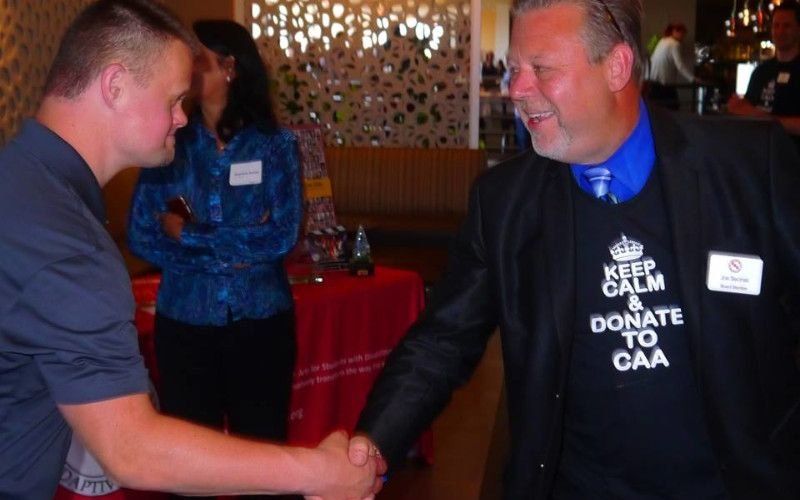
This is a blog post that is most unexpected and heart-wrenching for our College of Adaptive Arts Mountain Movers community. This past week we lost one of our truest and long-standing Mountain Mover board members, Mr. Joseph Siecinski. Joe walked into our small, rented space at Randol School in 2010. He was in a full suit and tie (which we later would learn that he wore everyday). He politely introduced himself to Dr. Pam and DeAnna. De and Pam were teaching about 90% of the classes at this time, and we may have had about 30 adult students. He asked what was College of Adaptive Arts, and when we explained that we were creating an adaptive collegiate experience for adults with intellectual and developmental disabilities, he did not blink and eye, and said, “How can I help?” To say that there would not be a College of Adaptive Arts without Joe Siecinski would truly not be an understatement. He quickly joined our board, giving guidance and financial and business support with all of his heart and soul. He helped us to write our very first business plan, which as we look back on now, we achieved within the first 10 years of operation. He formally left the board in 2021 after 8 years of formal service. He stayed on to this day for our regular board meetings, executive board meetings, and monthly financial meetings. He believed in this model through thick and then when it seemed sooooo difficult and tempting to give up. Joe never did. Joe was a most magnanimous, kind, and larger-than-life figure. He *always* told the truth and never glossed over any hard financial findings– but with kindness, integrity, and humility. Through his constant presence CAA has grown operationally that first year in 2009 closing the books at about $65k to closing at over $2million this past fiscal year on June 30, 2025 with another 2 million grant bestowed to us in 2023. When he commended the CAA team on their collective efforts, teamwork, and fiduciary stability this past year at a board meeting, it was a compliment that was genuine and tremendously valued and cherished coming from Mr. Joe. Joe would start any meeting he would attend with, “Happy Monday!!!!!!! or whatever day of the week it was. He made you feel like you were the most important person on Earth to him when he was with you. And his was so positive, knowledgeable, wise, and kind. He just exuded grace, integrity, and hope. Joe was the one who recommended that we read the book Traction by Gino Wickman back in 2019. CAA embraced the tenets and business principles of this book, and it’s been a transformative experience for our business execution. To this day, our staff huddles that we employ each Monday morning before school begins are called the Traction Huddles. Joe would always say that if CAA could bring in $1 for every $1 in tuition, we would be in a financially sustainable position. This is the year that we’re going to honor Joe and bring this sentiment into operational fruition. CAA has been operating in a structural deficit for a number of years now as the demand for our services has outpaced the one and only state funding code that did not pass the rate reform study. There’s significant community and policy momentum and traction to rectify this deficit, and our Q4 fundraising campaign is dedicated to Joe Siecinski. CAA will embrace his spirit and figure out a way to build a sustainable recurring model to reach adults worldwide who want to learn and grow and contribute at their own unique and individual pace. It’s happening, and we vow to keep going until this equitable, lifelong collegiate and workforce model is fully established in communities worldwide to be a beacon of Hope, Joy, Fulfillment, and Traction. This is our Salute to Joe Siecinski.

Sharon Lea has always had a love of music, but it wasn’t until joining CAA that she could actually meld both her passion and her career. Sharon obtained her degree in English from Chico State and worked most of her life in administrative roles. The companies she worked for made products like medical devices, and she always enjoyed customer service and helping people. After surviving a cancer diagnosis and losing her husband all within a three-year span, Sharon took time off work and began volunteering with CAA. That volunteer work quickly turned into a fulfilling career. CAA came into Sharon’s life at a time when she needed them, and when CAA needed instructors who had compassion and commitment to teach. “At CAA, you don’t need the degree but you need the heart,” said Sharon. Professor Sharon is the Director of Music at CAA and teaches many popular classes, including Concert Choir and Music Appreciation. In both those classes, she stresses to her students to find something that they like in the music and reminds them that it’s not about hitting all the right notes. “One of the reasons I love CAA is because I see the benefits of what I’m doing every day in the classroom,” said Sharon. When she was young, Sharon had to overcome a significant stutter so she can relate to the difficulties some of her students have with being heard and understood. Sharon says that she learns just as much from her students as they learn from her, and she loves coming away from classes hearing new perspectives and ideas. According to Professor Sharon, CAA is a unique place to work because the leadership puts people in positions where they can really thrive. “This has been such a wonderful growth experience for me,” said Professor Sharon. “I feel incredibly lucky to be a part of a supportive environment which celebrates caring and collaborative teamwork.”
Subscribe to our mailing list
Are you a current family looking for Weekly Updates? Sign into the student portal or subscribe to our weekly email list.